
Insights
Insights & Industry Briefings
Featured
Start Here

ExplainerDefense
What Is IADS? The Army's IETM Viewer, and What Contracts Mean by It
IADS is Army-funded IETM software, not a specification — but contracts cite it like one, and that gap is where bidders get hurt. What it is, how it relates to MIL-STD-40051, and what 'deliverable in IADS' actually obligates you to produce.
BriefingDefense
The Military Right-to-Repair Fight Is Really a Technical Data Fight
Congress stripped right-to-repair from the FY26 NDAA but kept the sleeper: a mandated digital inventory of the technical data behind every major weapon system. Why manuals and TDPs are the actual battlefield, and what the T-7 fight previews.
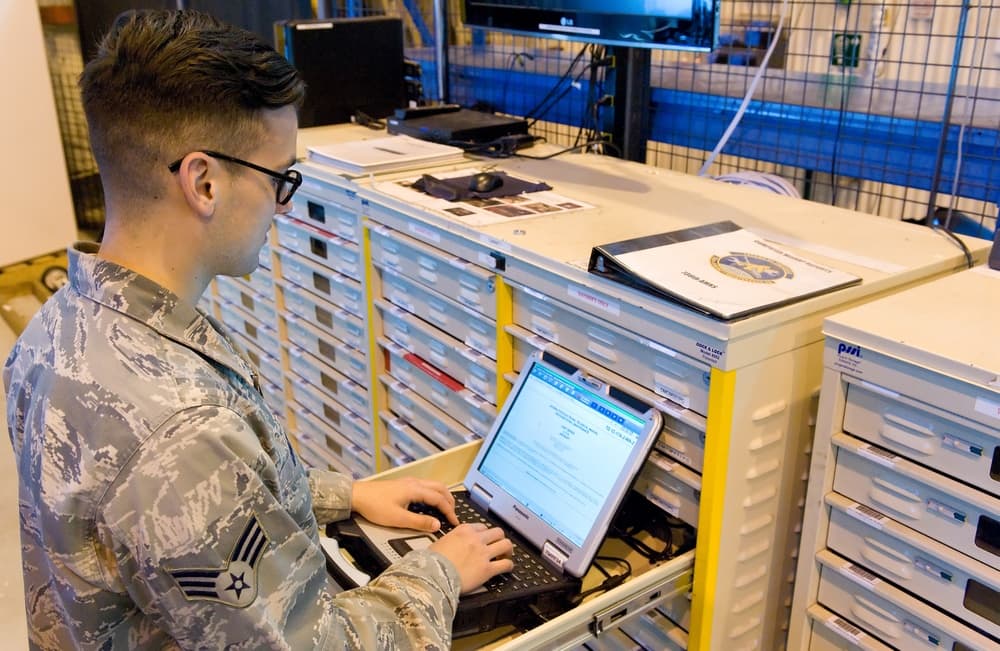
ExplainerAerospace
The Data Module Code, Decoded
Every S1000D data module carries a structured identifier that says what it is, what it covers, and where it belongs — segment by segment: model code, SNS, disassembly, information code, and why the address matters more than the filename.
The Library
All Articles
Everything here is written from the work. These are the patterns we keep meeting on programs in aerospace, defense, aviation, and industrial equipment: where the documentation and delivery decisions actually get made, what they cost when they are made under pressure, and what changes when they are made deliberately.
These are briefings rather than case studies. The standards, the constraints, and the failure modes are the useful part, and they generalize a good deal better than any single program's story does.

ExplainerEnterprise
Why Authoring Teams Need a CCMS
The case for a CCMS is usually made to the CIO. Here it is made to the authoring team instead: what their week looks like without one, and what a component content management system actually changes about it.
CCMSReuseStructured ContentRead the piece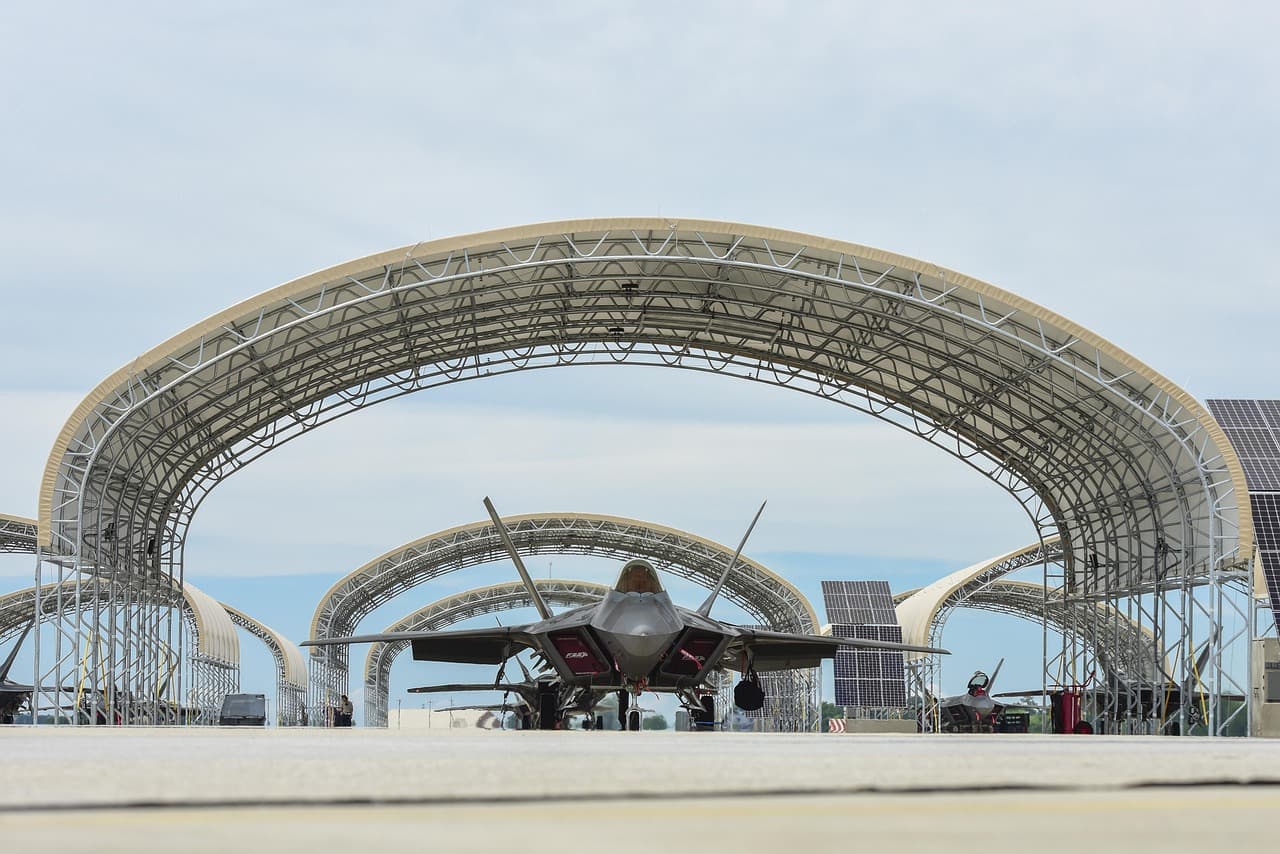
BriefingDefense
Why IADS Is in Every Army Contract
It isn't a customer preference — it's a consolidation. The Army made IADS its single technical manual viewer across 7,400+ manuals and retired the alternatives. What that decision means for contractors, plus two facts that surprise most bidders: it's free, and it isn't 40051-only.
IADSArmy PolicyIETMRead the piece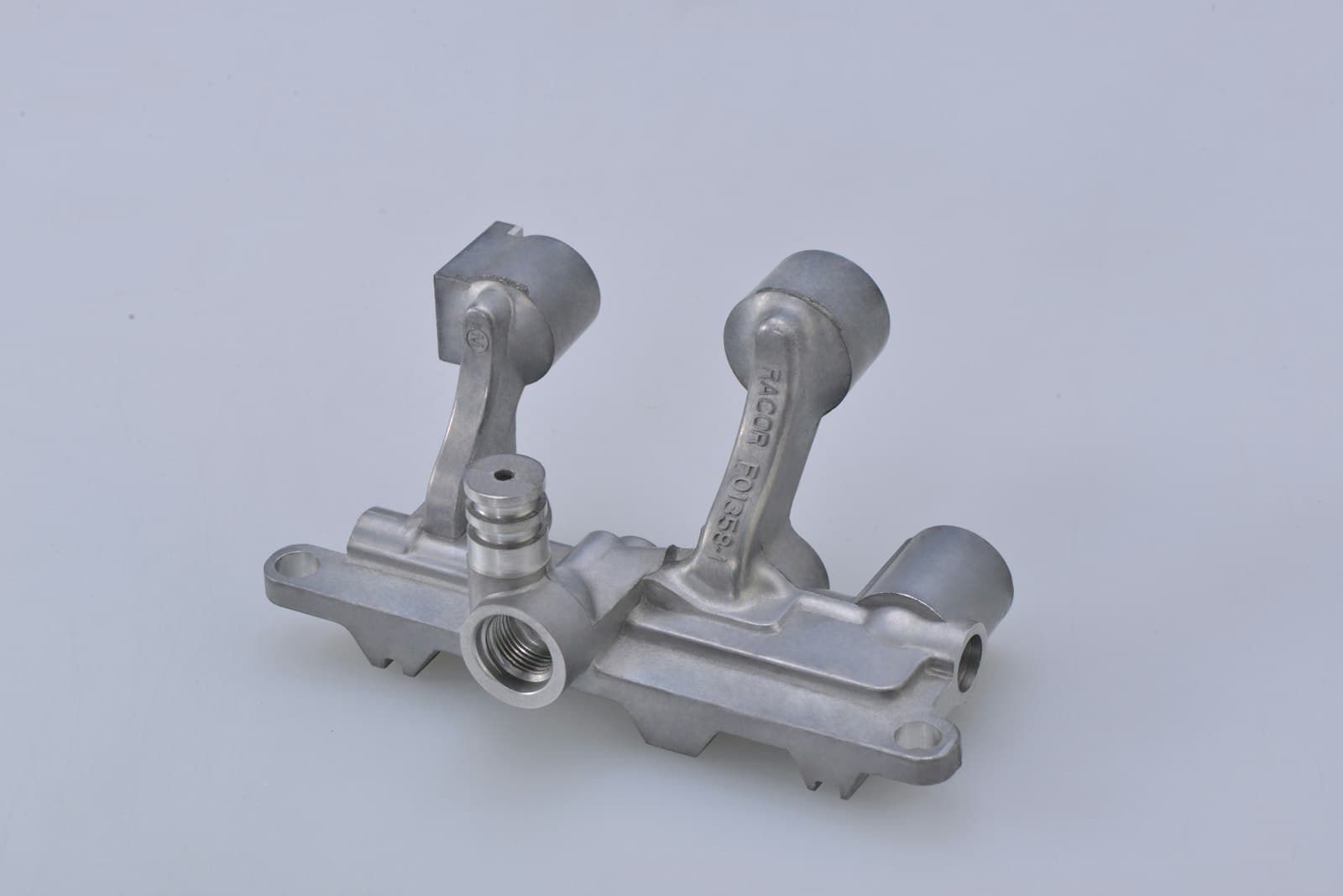
Field GuideDefense
Authoring for IADS: Formats, Graphics, and What Breaks
The practitioner's companion to the bid guide: which standards and graphic formats IADS actually takes, where hotspots and multimedia come from, the legacy RPSTL trap, and a testing discipline that finds viewer problems while they're still cheap.
IADSGraphicsAuthoringRead the piece
Field GuideDefense
IADS in an Army RFP: Reading the Requirement, Pricing the Work
The IADS line in a solicitation looks like one sentence and hides four deliverable layers, a formatting spec most bids never mention, and an access process with real lead time. What to read for, what to price, and the questions to ask before submission.
IADSRFPFOSIRead the pieceExplainerDefense
The Air Force Technical Order System, Explained
TOs are how the Air Force publishes: categorized numbering governed by the 00-5 series, electronic TOs delivered through ETIMS, and compliance carried by the documents themselves. How the system works, and how it connects to the S1000D and Enterprise IETM modernization story.
Technical OrdersETIMSAir ForceRead the pieceExplainerDefense
What Are the NSTMs? The Navy's Ships' Technical Manuals
Roughly 108 chapters, numbered 001 to 999, covering every system a ship carries — the Naval Ships' Technical Manuals are the NAVSEA-published backbone of shipboard engineering knowledge. What they are, how the S9086 numbering works, and where they fit against the rest of Navy documentation.
NSTMNAVSEANavyRead the piece
Field GuideCross-Industry
FrameMaker to DITA (or S1000D): Converting the Desktop Era
Decades of aerospace and industrial manuals live in FrameMaker — better-structured than Word, messier than SGML. What converts cleanly, where unstructured Frame hides its traps, and how the sample-first method prices the move to DITA or S1000D honestly.
FrameMakerDITAConversionRead the piece
ExplainerCross-Industry
What Are Technical Publications?
The manuals, catalogs, and procedures that let complex products be operated and maintained safely — produced under standards, revised for decades, and increasingly consumed by machines as well as people. The field, explained from the beginning.
Technical PublicationsStandards101Read the pieceExplainerDefense
What a TMCR Actually Requires
The Technical Manual Contract Requirements document governs what TM deliverables must be — cited specs, validation as contractor QA, mandatory flow-down to subs. The instrument every bid prices, explained by someone other than a solicitation attachment.
TMCRContractsNAVAIRRead the piece
ExplainerDefense
Distribution Statements, Decoded
Every DoD technical document carries one of six statements, A through F, governing who may receive it. What each means under DoDI 5230.24 — and why a distribution statement is really a permission-scoping requirement your delivery platform must be able to honor.
Distribution StatementsDoDI 5230.24Access ControlRead the pieceExplainerDefense
ITAR 'Technical Data,' Explained for Publications Teams
The ITAR's definition reads like a description of a tech pubs library: information required for design, production, operation, repair, and maintenance of defense articles. What's in, what's excluded, the public-domain boundary — and how publications operations handle it in practice.
ITARExport ControlTechnical DataRead the piece
Field GuideCross-Industry
In-House vs Outsourced Technical Publications
The real math of a publications operation — coverage, currency, tools, and the single-point-of-failure problem — against the service model. Including the cases where in-house genuinely wins, because a comparison you can't lose isn't one.
OutsourcingStaffingTech PubsRead the piece
BriefingEnterprise
eIFU: The Device Manual Just Became a Regulated System
As of July 2025, EU rules allow electronic-only instructions for use for nearly all professional-use medical devices — with conditions that turn the IFU into a system: secure, current, auditable, paper-on-request in seven days. What manufacturers now have to operate.
eIFUEU MDRMedical DevicesRead the piece
BriefingDefense
The Air Force Wants One IETM
A live Air Force RFI is exploring a single Enterprise IETM for legacy and next-generation platforms — naming S1000D, MIL-STD-3048, and a government-owned CSDB. What the push means, why the siloed model broke, and what bidders should understand before responding.
IETMMIL-STD-3048EnterpriseRead the pieceExplainerDefense
What 'Government-Owned CSDB' Means in Your Solicitation
The phrase is appearing in more solicitations, and it changes the shape of the deliverable: you're not shipping publications, you're feeding a repository the government controls. The obligations, the data-rights implications, and the questions to price before bidding.
CSDBSolicitationsData RightsRead the piece
Field GuideDefense
SGML to S1000D: How Legacy Conversion Actually Works
SGML libraries are the best-behaved legacy content there is — and conversions still go wrong in the same places. The sample-first method, what automates cleanly, where the exceptions hide, and why governance decides more than tooling.
SGMLConversionS1000DRead the piece
ExplainerAerospace
What Drives S1000D Conversion Cost
Nobody in this industry publishes what conversion costs, so buyers price blind. The honest driver breakdown: source quality, exception structures, illustrations, the business-rules decisions that multiply everything — and why sample-first beats every estimate.
ConversionCostS1000DRead the piece
ExplainerAviation
Where Aircraft Technical Publications Actually Come From
You can't buy an aircraft's maintenance manual from a third party — and anyone offering one is selling trouble. How type-certificate holders publish and license technical data, what operators actually receive, and what can legitimately be outsourced.
OEM DataManualsLicensingRead the pieceField GuideAviation
Technical Publications for Small Fleets
Six aircraft, no tech pubs department: how business aviation operators and management companies keep OEM revisions, customized MELs, and their own procedures current — without hiring the department the airlines have.
Business AviationEFBContent PortalRead the pieceChecklistDefense
DoD Is About to Inventory Your Technical Data. Audit Yours First.
The FY26 NDAA orders an electronic platform tracking what technical data every major weapon system required, what the government actually holds, and what the gaps cost. Twelve questions contractors should answer about their own deliverables before that database does.
Technical DataTDPChecklistRead the piece
ExplainerDefense
When the Source of Truth Is a Model
MIL-STD-31000B's 3D technical data packages and DoD's digital-engineering push make the model the authoritative source. What happens to technical manuals downstream of the digital thread — and why structured publications are the thread's last mile.
MBSEDigital ThreadTDPRead the pieceExplainerDefense
The S-Series, Mapped: S1000D and Its Six Siblings
S1000D is one member of a seven-spec family covering integrated product support end to end — analysis, materiel, maintenance, feedback, training, and the guide that glues them. What each sibling does, and how the data flows between them.
S-SeriesILSSX000iRead the pieceExplainerDefense
What Is SGML, and Why Does Defense Documentation Still Speak It?
The 1986 markup standard that taught aerospace and defense to structure documents — where SGML came from, how XML replaced it, and why SGML libraries still run sustainment programs today.
SGMLXMLLegacy ConversionRead the pieceBriefingCross-Industry
'Technical Content Engineer': The Job AI Is Actually Creating
The will-AI-replace-technical-writers debate keeps scoring the wrong skill. Drafting was never the scarce resource — content modeling, rules, and curation are, and machines consuming documentation makes them more valuable, not less.
AICareersTechnical WritingRead the pieceExplainerAerospace
Is There an S1000D Certification?
The short answer is no — there is no official S1000D certifying body or exam. What the certificates on the market actually are, what employers should look for instead, and how real capability gets built.
S1000DTrainingCertificationRead the piece
ExplainerCross-Industry
What Is a Content Services Platform?
The analysts retired 'enterprise content management' and replaced it with content services platforms — content served as addressable, permission-scoped services instead of files in a repository. What the category actually means, and how to tell a real CSP from a rebadged document store.
CSPAPIsContent PortalRead the pieceBriefingAerospace & Defense
What to Watch at the S1000D & IPS User Forum 2026
The first User Forum since Issue 7 dropped runs 22–24 September in Arlington. Five things worth watching, the questions worth bringing, and why this is the most consequential forum in years — whether you attend or read the fallout.
S1000DIssue 7User ForumRead the piece
ExplainerAviation
RAG on the Hangar Floor: What Airworthy Retrieval Requires
Vendors promise AI assistants that answer from maintenance manuals in seconds. In aviation the demo is the easy part — approved-content grounding, revision awareness, applicability, and an audit trail are what separate a toy from a tool a mechanic may lawfully rely on.
AIRAGAviationRead the pieceComparisonCross-Industry
XML vs JSON: Why Documents Speak One and APIs the Other
JSON won data interchange and XML kept the documents — for a structural reason, not a fashionable one. Mixed content, validation, and why a modern content platform speaks both without contradiction.
XMLJSONAPIsRead the piece
BriefingAerospace
eVTOL Certification Is Arriving. The Documentation Bill Arrives With It.
The FAA's powered-lift training rule landed in late August, the leading programs report late-stage type certification, and Boeing consolidated its position. What the industry hasn't priced: every one of those milestones is also a documentation obligation with a start date.
eVTOLFAAPowered-LiftRead the piece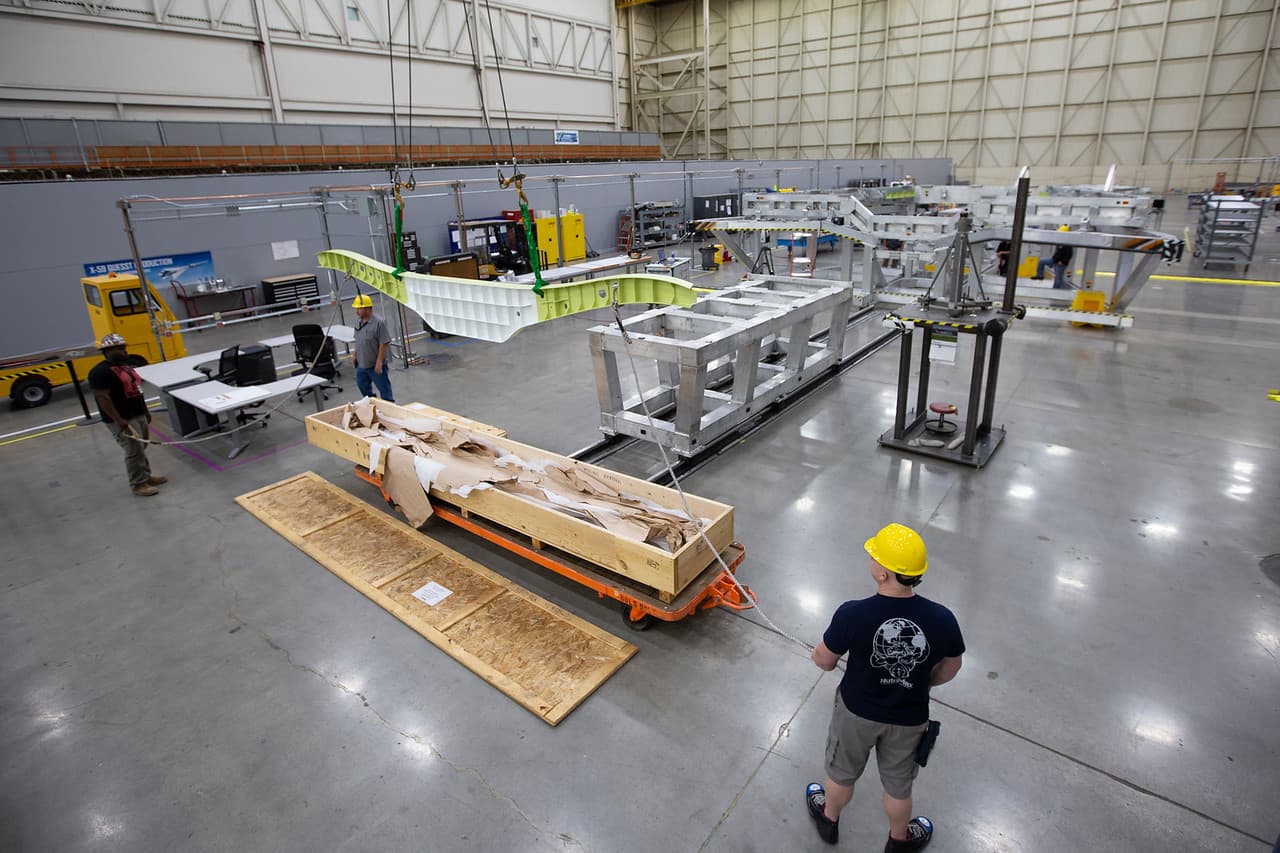
BriefingEnterprise
The European Accessibility Act Reached Your Manuals
In force since June 2025, measured against WCAG 2.1 AA, and now actively enforced — the EAA's requirements extend to the documents around in-scope products and services. Why structured content passes almost as a by-product, and remediation-per-PDF doesn't scale.
AccessibilityEAAComplianceRead the pieceExplainerAerospace
What Is a CGM File? Aerospace's Illustration Format
The vector graphics standard that technical illustration standardized on decades before SVG — what CGM and WebCGM are, why hotspot-linked illustrations made them indispensable to IETMs, and what to do with a library of them today.
CGMIllustrationsIETMRead the pieceBriefingAerospace & Defense
S1000D Issue 7 Is Here
The new major revision of S1000D is released, labeled the Current Issue, and available for download — weeks ahead of the September User Forum. What is confirmed so far, why the specification's own rules already say the migration needs people, what is in the 61.8 MB package, and what to do about it this quarter. Updated as details land.
S1000DIssue 7Read the pieceComparisonCross-Industry
DocBook vs DITA (and Where S1000D Fits)
Two open XML architectures for technical content, one book-shaped and one topic-shaped — how they differ, who each suits, and why the aerospace answer is usually neither.
DocBookDITAXMLRead the pieceExplainerCross-Industry
Vector or Raster? Figures in a Publishing Pipeline
The designer's distinction that decides how your figures survive publishing: what scales, what renders fast, what a screen reader gets, and which format belongs where in a pipeline that outputs PDF, web, and API at once.
GraphicsAccessibilityPublishingRead the pieceExplainerCross-Industry
How XML Becomes a PDF
The rendering pipeline behind every structured publishing system: XSLT transforms, the XSL-FO page vocabulary, formatters, and the modern CSS-based alternatives — demystified for people who own the output but not the plumbing.
XSL-FOXSLTPublishingRead the pieceExplainerAerospace
What Is a BREX Data Module?
S1000D allows far more than any project should use — the BREX data module is where a program writes down its choices and makes them machine-enforceable. How business rules become validation, and why the BREX deserves authorship, not neglect.
S1000DBREXBusiness RulesRead the pieceField GuideAerospace
Choosing S1000D Tools: Authoring, CSDB, Publishing, Viewer
The S1000D toolchain is four jobs, not one product — and the expensive mistakes happen when buyers evaluate them as a bundle. A vendor-neutral guide to what each layer must do and the questions that expose weak ones.
S1000DCSDBToolsRead the pieceExplainerAerospace
When the Manual Hands You the Software
A procedure that names software version 1.0.2 can deliver it: click, download, install — with the version locked to the document that requires it. Version-matched distribution as the logical end of treating documents as a platform.
DistributionContent PortalAerospaceRead the pieceExplainerAerospace
The S1000D Data Module Types, Toured
Descriptive, procedural, fault isolation, illustrated parts data, process, and the infrastructure modules most authors never touch — what each data module type is for, and how a real publication mixes them.
S1000DData ModulesIPDRead the piece
ComparisonCross-Industry
DTD vs XSD vs Schematron: Three Ways to Police a Document
Grammar, datatypes, and rules: the three validation technologies behind structured publishing, what each can and cannot express, and why standards like MIL-STD-40051 and S1000D chose what they chose.
DTDXSDSchematronRead the pieceExplainerAerospace
Applicability in S1000D: ACT, CCT, and PCT, With an Example
One manual, many aircraft configurations — applicability is how S1000D says 'this step only applies to tail numbers with the mod.' The three cross-reference tables, inline annotations, and a worked example.
S1000DApplicabilityACTRead the piece
Field GuideEnterprise
Buying Publishing Software One Department at a Time
Two teams in the same organization evaluating the same platform separately will buy it twice, configure it twice, and integrate it never. Why publishing platforms are enterprise decisions, and how to run the shared evaluation without stalling both.
ProcurementGovernanceEnterpriseRead the pieceBriefingEnterprise
Every Organization Has a Word Help Desk. It's a Person.
Somewhere in your organization is the person everyone calls when the big document breaks. That role exists in every large publisher we meet, it never appears on an org chart, and it is the most honest measure of what your tooling costs.
WordWorkflowPublishing TeamsRead the pieceExplainerEnterprise
A Template Is Not a Content Model
Every team with a Word template believes it has a standard. What a template can actually enforce (almost nothing), what a content model enforces instead, and why the difference only shows up at the worst possible time.
WordTemplatesStructured ContentRead the pieceExplainerEnterprise
Your Document Platform Knows Things Google Analytics Doesn't
Which sections readers actually use, what they search for and don't find, and which publications nobody opens — the telemetry a document platform captures that page-view analytics never will, and what to do with each signal.
AnalyticsSearchContent PortalRead the pieceField GuideEnterprise
Convert or Ingest? Two Roads for a Legacy Library
A conversion project rebuilds legacy documents as structured content; ingestion serves them as they are through a modern platform. Both are legitimate — the mistake is not choosing. How to split a 30,000-file estate between the two roads.
PDFMigrationContent PortalRead the pieceExplainerEnterprise
Pinning: When You Don't Want the Latest Version
Reused content usually should update everywhere at once — except when it absolutely must not. Pinning a component to a specific revision, why the copyright block is the classic case, and how pinning and branching divide the work of time.
Version ControlContent ReuseWorkflowRead the pieceExplainerEnterprise
The Same Word, Two Meanings: Managing Defined Terms
A term defined one way globally and another way inside section 6 — on purpose. How rules, contracts, and standards handle defined terms, why files can't, and what definitions management looks like when the system understands scope.
DefinitionsGovernanceStructured ContentRead the pieceChecklistEnterprise
The Structured Content Readiness Checklist
Sixteen symptoms that tell you a document estate has outgrown its tools — charts pasted as pictures, eight versions with filename suffixes, a media library doing a DMS's job — and what each one says about where to start.
ChecklistStructured ContentWorkflowRead the pieceComparisonEnterprise
DAM vs DMS vs CCMS: Which One Do You Actually Need?
Four acronyms, four different problems — and buying the wrong one is how a media library ends up holding 30,000 documents. What each system is actually for, the questions that identify yours, and where a content services platform fits.
DAMDMSCCMSRead the pieceExplainerEnterprise
The Document Assembly Line
Drafted in Word, restyled in InDesign, flattened to PDF, uploaded to the CMS — and something falls between every handoff. What the relay race costs, and what single-source publishing retires.
Single-Source PublishingInDesignWorkflowRead the pieceExplainerEnterprise
Who's Allowed to Touch Clause 14?
The legal section only lawyers may edit, the pens-down date that actually holds, and the audit trail that says who changed what from where. Role-based editing as the difference between policy and hope.
PermissionsGovernanceAuditRead the pieceField GuideEnterprise
Hundreds of Contributors, Six Editors
Two models for scaled contribution: a small editor team funneling everyone else's Word files, or everyone inside the system under single sign-on with role-scoped permissions. The honest tradeoffs, including the licensing math.
WorkflowSSOLicensingRead the pieceExplainerCross-Industry
How an AI Answers From Your Documents
Version context, definitions, and clauses the system knows are repeated across documents — the structure that turns a document library into something an AI can be grounded in, and why step one is never the model.
AIGrounded RetrievalStructured ContentRead the pieceExplainerEnterprise
Stop Pasting Charts as Pictures
The chart went in as an image to keep the file from crashing — and took its data with it. What gets lost when live content becomes a picture, and what tables and charts look like when they stay data.
DataAccessibilityStructured ContentRead the pieceBriefingCross-Industry
Build for Humans and Machines, or You're Already Behind
An LLM and a screen reader are both machine readers, and they fail on the same content for the same reasons. Why accessibility and AI-readability are one battle, and why structured content wins it for both at once.
AIAccessibilityAPIsRead the pieceField GuideEnterprise
Publishing Documents That Change on a Date
A current version, a future version that takes effect on a known date, and eight historical versions that must stay available — often under rules that forbid publishing the future early. How effective-dated publishing actually works.
VersioningComplianceContent PortalRead the pieceExplainerEnterprise
Word With Guardrails: What Structured Authoring Actually Feels Like
The fear is a learning curve; the reality is an editor that looks like Word where the styles are the rules. What changes for an author when the template stops being a suggestion — and what finally stops going wrong.
Structured AuthoringXMLTemplatesRead the piece
ExplainerEnterprise
Your CMS Media Library Is Not a Document Management System
Thirty thousand PDFs in a media library built for hero images, file-size ceilings that route uploads through a developer's back door, and a DAM project that never survives budgeting. What document delivery actually requires.
CMSDocument ManagementContent PortalRead the pieceField GuideEnterprise
Branching for Documents: What Editors Should Steal From Software Engineers
A major edition six months out, interim updates every two months, and both streams touching the same document. Branches, merges, conflict routing, and pinning — the version-control ideas editors deserve, without the command line.
Version ControlBranchingWorkflowRead the pieceExplainerCross-Industry
PDFs Are Like Cockroaches
They have survived since the nineties and they will survive us all — and they are still the wrong way to disseminate content. Why PDFs persist, what they cannot do for machines, and how legacy PDFs can be made to behave like modern documents.
PDFAPIsAIRead the pieceExplainerEnterprise
Why Word Breaks at 1,000 Pages
Crashing files, co-authoring conflicts nobody can trace, and charts pasted as pictures to keep the document alive — the coping rituals of large documents in Word, and why the problem is the data model, not your team.
WordSharePointStructured ContentRead the pieceExplainerAviation
The Flight Operations Library: AFM, FCOM, QRH, MEL, and the EFB
The flight-deck side of the documentation world, explained: what each manual is, who owns it, how the MEL descends from the MMEL, and why the electronic flight bag is a delivery channel with obligations rather than a PDF reader.
AFMFCOMMELEFBRead the pieceField GuideDefense
Which MIL-STD Governs Your Technical Manual?
Six standards, one map: how 40051, 3001, 3031, 3048, and 38784 divide the territory of defense technical manuals, which one a given contract points at, and how the citation changes the work.
MIL-STD-40051MIL-STD-3001MIL-STD-38784Read the pieceExplainerAerospace & Defense
What Is a CSDB?
The Common Source Database at the center of every S1000D program, explained: what it holds, what it actually does beyond storage, how it differs from a CCMS or a folder of files, and why it deserves operational care.
CSDBS1000DBREXRead the pieceExplainerAviation
How Aviation Documentation Stays Current with OEM Service Bulletins
The pipeline between a manufacturer issuing a service bulletin and a technician reading a current procedure — how it is supposed to work, the four places it actually breaks, and what solutions that genuinely keep documentation current do differently.
Service BulletinsEffectivityATA iSpec 2200Read the pieceChecklistDefense
The TM Contract Review Checklist
What to pin down before pricing a defense technical manual deliverable: exactly which standard, part, and revision the contract cites, what the tailoring really asks for, and what acceptance will actually test.
MIL-STD-40051DIDsTailoringRead the pieceChecklistDefense
The S1000D Program Start Checklist
Twenty decisions that determine whether an S1000D program spends its money on content or on rework — contract and governance, data architecture, production readiness, and the supply chain — as a working checklist.
S1000DDMRLBREXRead the pieceComparisonDefense
MIL-STD-40051 vs S1000D: The Army's Two Roads to a Technical Manual
Work packages against data modules, government DTDs against the CSDB: how the Army's own technical manual standard differs from S1000D under MIL-STD-3031, which one a program owes, and what conversion between them really costs.
MIL-STD-40051S1000DMIL-STD-3031Read the pieceExplainerAviation
The Aircraft Manual Family: AMM, IPC, CMM, SRM, and WDM
The acronyms that run an airworthy fleet, explained in one place: what each manual is for, who publishes it, who works from it, and how service bulletins and airworthiness directives keep the whole family honest.
AMMIPCCMMSRMRead the pieceExplainerCross-Industry
What Is a CCMS?
Component content management systems, explained: how managing content in components differs from managing documents, where the S1000D CSDB fits in the family, and the honest test for whether you need one at all.
CCMSCSDBDITARead the pieceExplainerDefense
What Is an IETM?
Interactive Electronic Technical Manuals, explained without the acronym soup: what separates an IETM from a PDF of the same manual, where the legacy class model came from, what S1000D calls an IETP, and what actually matters in a viewer.
IETMIETPMIL-STD-40051-1Read the pieceComparisonCross-Industry
S1000D vs DITA: Two Architectures, Two Worlds
Both are modular XML architectures for technical content, and the resemblance ends quickly: one is chosen, the other is contracted; one specializes, the other constrains. How to tell which problem you have — and what moving between them involves.
S1000DDITACSDBRead the pieceField GuideAviation
Choosing a Digital Technical Publication System for Aircraft Maintenance
What actually separates aviation documentation platforms: how revisions and service bulletins reach the people doing the work, whether applicability filtering can be trusted, and whether you can prove who saw which revision when.
ATA iSpec 2200S1000DEFBRead the pieceComparisonAviation
ATA iSpec 2200 vs S1000D: What's Actually Different
The two specifications behind commercial aviation technical content differ in their unit of content, their source model, and their era — and the practical question is rarely which one, but how long you will be running both.
ATA iSpec 2200S1000DMigrationRead the pieceIndustry BriefingIndustrial
Industrial Equipment Technical Documentation That Runs the Aftermarket
For heavy equipment manufacturers the aftermarket is where margin lives, and all of it runs on content. Why variants outrun unstructured documents, why illustrated parts data is a product rather than an appendix, and what it takes to actually reach a dealer network.
DITAParts CatalogsService PortalsRead the pieceIndustry BriefingAviation
Keeping Technical Publications Ahead of the Fleet
An airline runs two streams of technical content — continuing airworthiness on one side, flight operations on the other — mid-transition between ATA iSpec 2200 and S1000D, and both obliged to prove which revision reached which person on which date.
ATA iSpec 2200S1000DATA Spec 2300Read the pieceIndustry BriefingDefense
The Modernization Mandate in Defense Technical Data
Three pressures decide whether a program's technical data is an asset or a liability: standards that are enforced by schema validation and do not forgive improvisation, legacy libraries where conversion schedules go to die, and sustainment publishing that never stops.
MIL-STD-40051MIL-STD-3001S1000DRead the pieceIndustry BriefingAerospace
Three Walls Every Next-Generation Aerospace Program Hits
eVTOLs, uncrewed systems, and autonomous teaming programs are all hitting the same three walls, and none of them are engineering walls: the documentation certification actually demands, a tech pubs operation that has to be stood up from zero, and aircraft that iterate faster than their manuals can follow.
S1000DATA Spec 1000BReVTOLRead the piece

Get In Touch
Let's Talk
If one of these describes the program you are on, the earliest conversation is the most valuable one. Tell us where you stand.