
Structured Content. Modern Delivery. Industrial and Heavy Equipment.
Industrial Equipment Technical Documentation That Runs the Aftermarket
The aftermarket runs on content. For industrial and heavy equipment manufacturers, the aftermarket is where margin lives: parts, service, training, and the long relationship with every machine in the field. All of it runs on technical content. Service manuals, parts books, installation guides, operator documentation, and bulletins are the connective tissue between the OEM, the dealer network, and the customer keeping a machine working.
Most of that content was authored for print, lives in desktop publishing files and PDFs, and is maintained by a small team that cannot keep pace with the product line. The cost shows up everywhere except the documentation budget: parts misorders, longer repairs, warranty disputes, support calls, and dealers improvising because the answer is buried in a 900-page PDF.
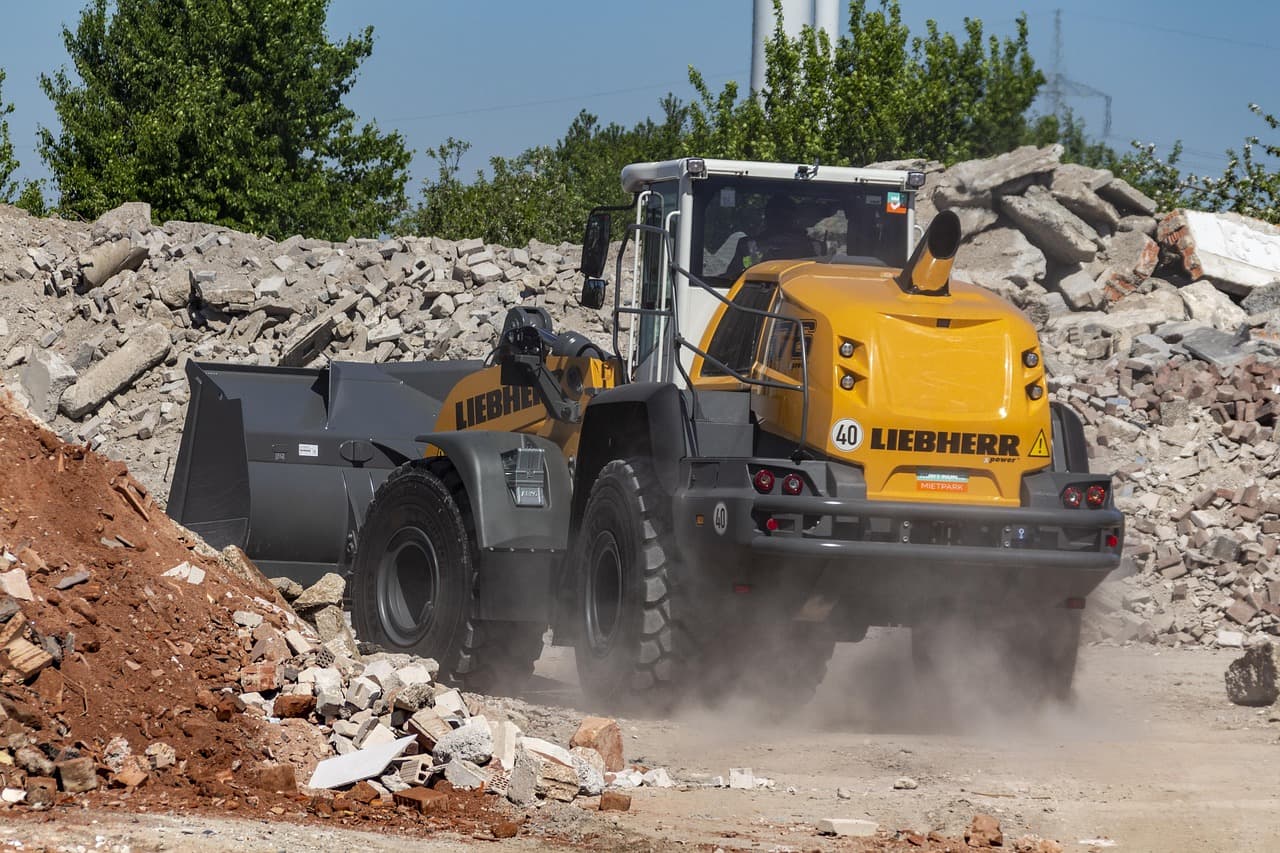
Variants Multiply. Documents Do Not Keep Up.
Equipment lines live long and branch constantly: models, options, regional configurations, serial breaks, and field modifications. Every variant changes some slice of the service and parts content while most of it stays common. Unstructured documents force a bad choice: duplicate whole manuals per variant and maintain them forever, or publish generic manuals that make technicians guess which instructions apply to the machine in front of them.

Single Source, Every Variant
Structured, modular content removes the choice entirely. Common content is written once. Variant content is tagged for what it applies to. Every output is assembled for exactly the machine it describes.
- Content modeling built around your product structure: models, options, serial effectivity
- Migration from legacy formats: desktop publishing files, PDFs, and word processor manuals into structured, reusable modules
- Applicability management so a technician sees only what applies to the serial number at hand
- Multi-output publishing: print-quality PDF, web, mobile, and in-cab or in-shop displays from one source
The Parts Channel Is a Content Product
Illustrated parts data drives the most valuable transaction in the aftermarket, and it is usually the least usable content the OEM ships. Exploded views locked in PDFs, callouts disconnected from the parts system, and dealers maintaining their own lookup spreadsheets because the official books are slower than tribal knowledge.
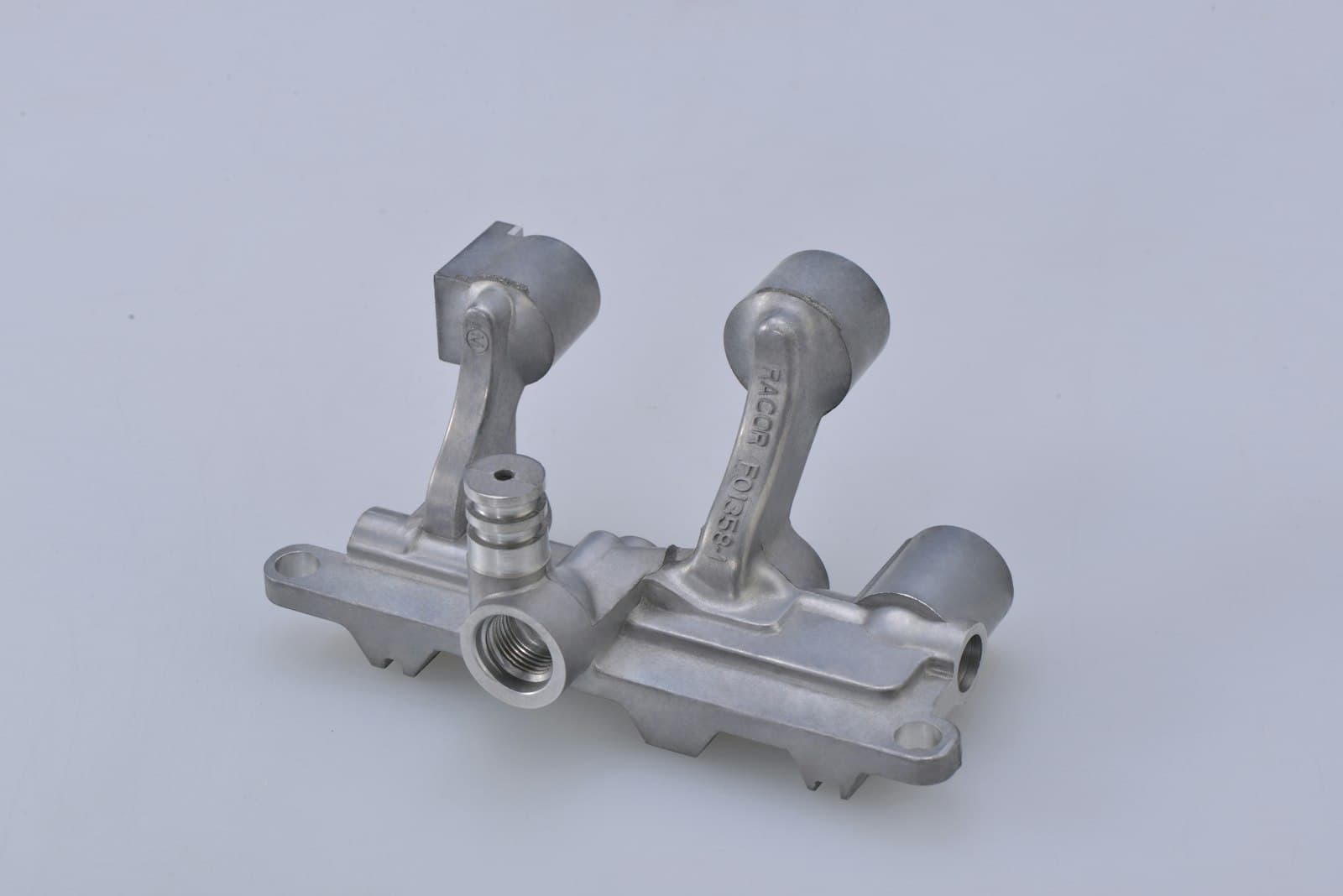
Parts Data That Sells Parts
- Structured parts catalogs: illustrations, callouts, and part records connected, not adjacent
- Integration with ERP and parts systems so the catalog reflects what can actually be ordered
- Dealer and customer portals with search, effectivity filtering, and ordering hooks
- Update pipelines so engineering changes reach the catalog without manual rework
Reaching the Field
Dealers, distributors, field technicians, and operators each need a different slice of the content, in their own language, often without a reliable connection. Email blasts of PDF bulletins do not constitute a delivery strategy.

Delivery Built for the Channel
- Content delivery portals with entitlement: each audience sees exactly what it should
- Multilingual publishing from single-source content, so translations stay in sync with revisions
- Offline and mobile access for the shop floor and the field
- Analytics showing which content gets used, by whom, and where the gaps are
Whether you are modernizing a legacy manual library, rebuilding parts content around your dealer network, or building the delivery channel your aftermarket deserves, we turn your product content from a hidden cost into the bigger margin in aftermarket.

or email hello@shakewell.agency