
Structured Content. Modern Delivery. Defense Technical Data.
The Modernization Mandate in Defense Technical Data
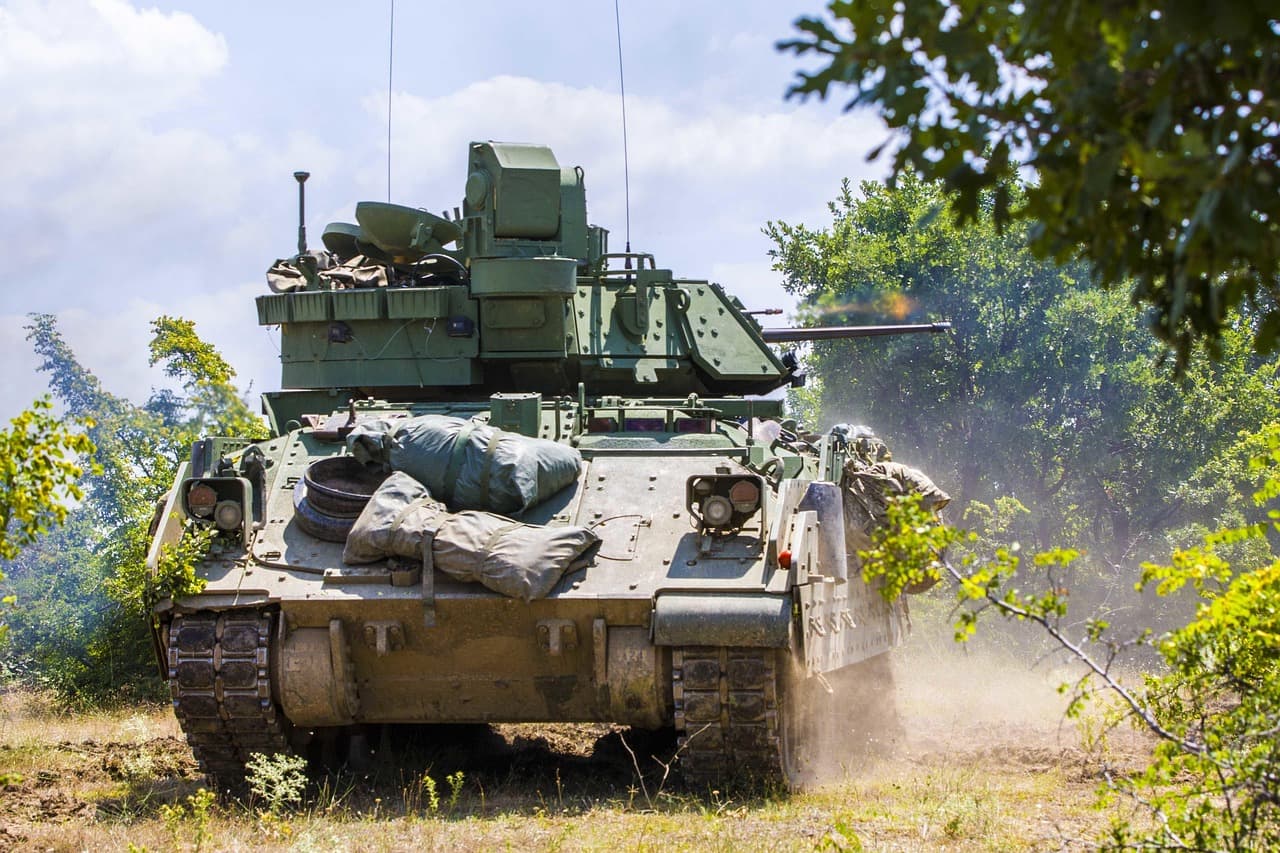
Defense sustainment runs on technical manuals. Every weapon system, vehicle, and support system in the inventory carries a library of operator manuals, maintenance work packages, parts information, and troubleshooting procedures that must stay accurate through decades of service life, configuration changes, and modernization programs. The systems are being upgraded faster than ever.
Three pressures define the problem, and they decide whether a program's technical data is an asset or a liability.
Pressure One: The Standards Are Not Optional
Defense technical data is governed by a handful of exacting specifications. MIL-STD-40051 prescribes the Army and Marine Corps work package model, MIL-STD-3001 the naval aviation equivalent, and S1000D the international data-module standard now showing up on more and more new and joint programs. Each defines content structure, numbering, front matter, change management, and quality assurance in detail, and each is enforced through DTD or schema validation that does not forgive improvisation.
Programs that treat the specified standard as an afterthought pay for it at delivery: failed validation, rejected deliverables, rework under schedule pressure, and technical data packages that the government will not accept.

Standards Fluency, Built In
For us, these standards are the work itself, not an add-on to it. We don't produce generic documentation and bend it to fit a spec; we author inside the standard's structure and rules from the start, so what we deliver is compliant by construction.
- MIL-STD-40051 work package authoring, validation against the modular DTDs, and the full functional range: operator, maintenance, troubleshooting, RPSTL, PMCS, MAC, and supporting information work packages
- MIL-STD-3001 NAVAIR work packages, content selection, and page-based and IETM outputs from the same source
- S1000D data modules, business rules, and CSDB workflow for programs moving to the international specification
- Validation discipline: content checked against the governing DTDs, schemas and business rules continuously, not at the end
- Training that builds your own authoring capability in the standard your program runs on
Pressure Two: Legacy Libraries Are the Long Pole
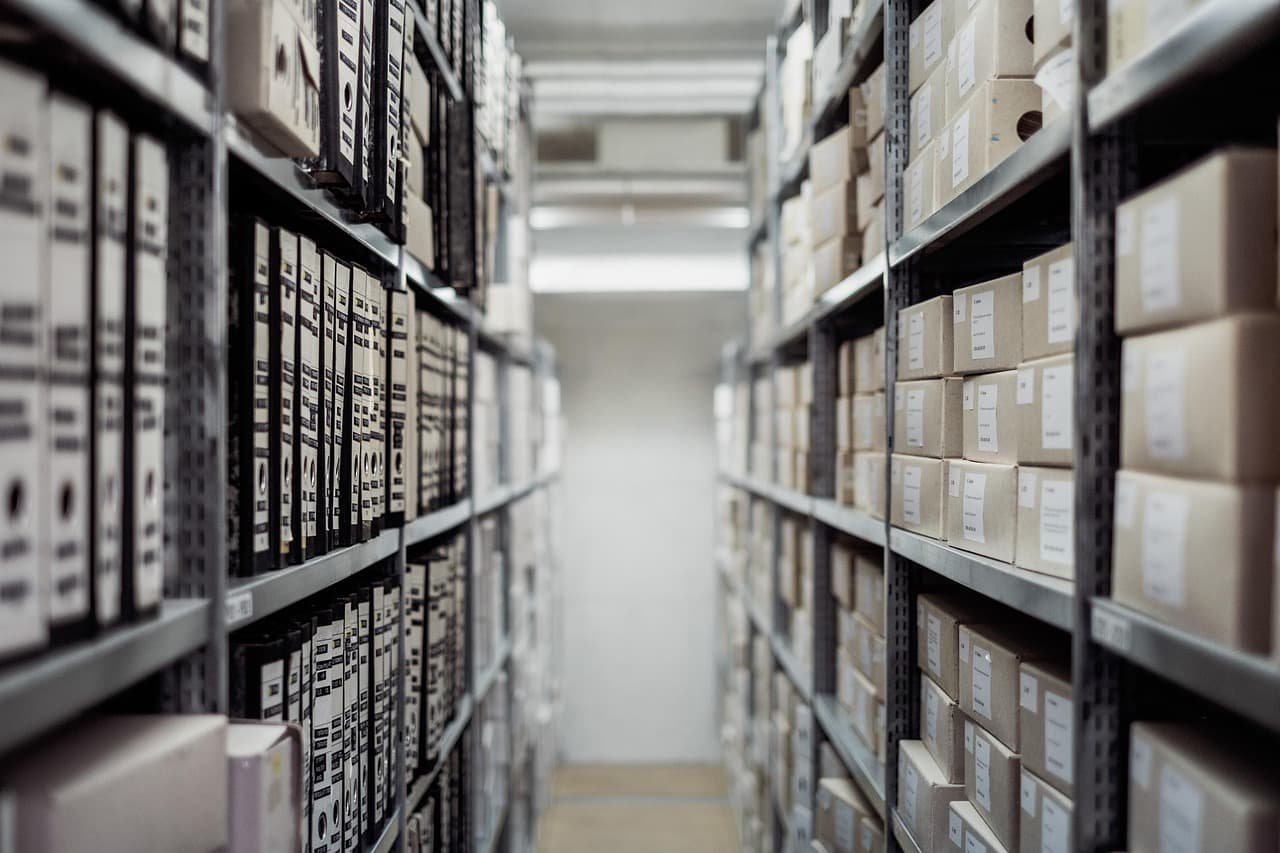
Most defense technical data was not born structured. Decades of manuals exist as scanned pages, monolithic PDFs, aging SGML, and word processor files that were never designed for reuse. When a program modernizes, extends service life, or changes maintenance concepts, that legacy library has to adapt, and conversion is where schedules go to die.
Manual conversion at program scale is slow and error prone. Fully automated conversion without quality gates produces files full of subtle damage.
Conversion as a Pipeline, Not a Project
We build conversion pipelines that combine automation with inspection, so volume does not come at the cost of accuracy.
- Content audits and conversion planning before anything moves: what exists, what it maps to, what it will cost
- Automated, semi-automated, and manual conversion paths chosen per content type, with quality checks
- Work package decomposition: monolithic manuals broken into the modern modular structures the standards require
- Traceability from every converted work package back to its source
- Validation gates built into the pipeline so non-compliant content never reaches the deliverable
Pressure Three: Sustainment Never Stops
A fielded system changes constantly. Engineering changes, modification work orders, safety messages, and maintenance findings all drive technical data updates, and every update has to flow through authoring, validation, review, and distribution while the system stays in service. Add classification handling, distribution statements, and CUI marking, and the routine act of publishing a change becomes a compliance exercise.
Programs that handle this with manual processes accumulate backlog. Backlogged technical data means maintainers and operators working from outdated procedures, and that is a readiness problem, not a documentation problem.

Publishing at the Speed of Change
We build the publishing operations that let technical data keep pace with the systems it sustains.
- Single-source publishing: page-based and IETM outputs generated from one validated source
- Change workflows that move updates from engineering input to distributed publication with validation at every step
- Marking and distribution discipline: distribution statements, export control notices, and CUI handling applied consistently
- Automated composition so updates publish in hours, not weeks
- Operational handoff: we stand the capability up and transfer it to your team
Whether you are converting a legacy library, standing up a new program's technical data operation, or keeping sustainment publishing ahead of the next change, we turn technical data from a delivery risk into a readiness advantage.

or email hello@shakewell.agency