
Structured Content. Modern Delivery. Next-gen Aerospace Programs.
Three Walls Every Next-Generation Aerospace Program Hits
Aerospace is in the middle of its biggest category expansion in a generation. eVTOLs are racing toward entry into service. Uncrewed aircraft are moving from hobbyist platforms to commercial fleets to peer combat systems. Autonomous teaming programs and Collaborative Combat Aircraft are reshaping how primes deliver to defense. Hypersonics, electric regional aircraft, and high-altitude pseudo-satellites are all entering certification or fielding on compressed timelines that legacy programs spent decades growing into.
Every program in this space, startup or established, civil or defense, crewed or uncrewed, is hitting the same three walls. They are not engineering walls. They are documentation and delivery walls, and they decide which programs ship on schedule.
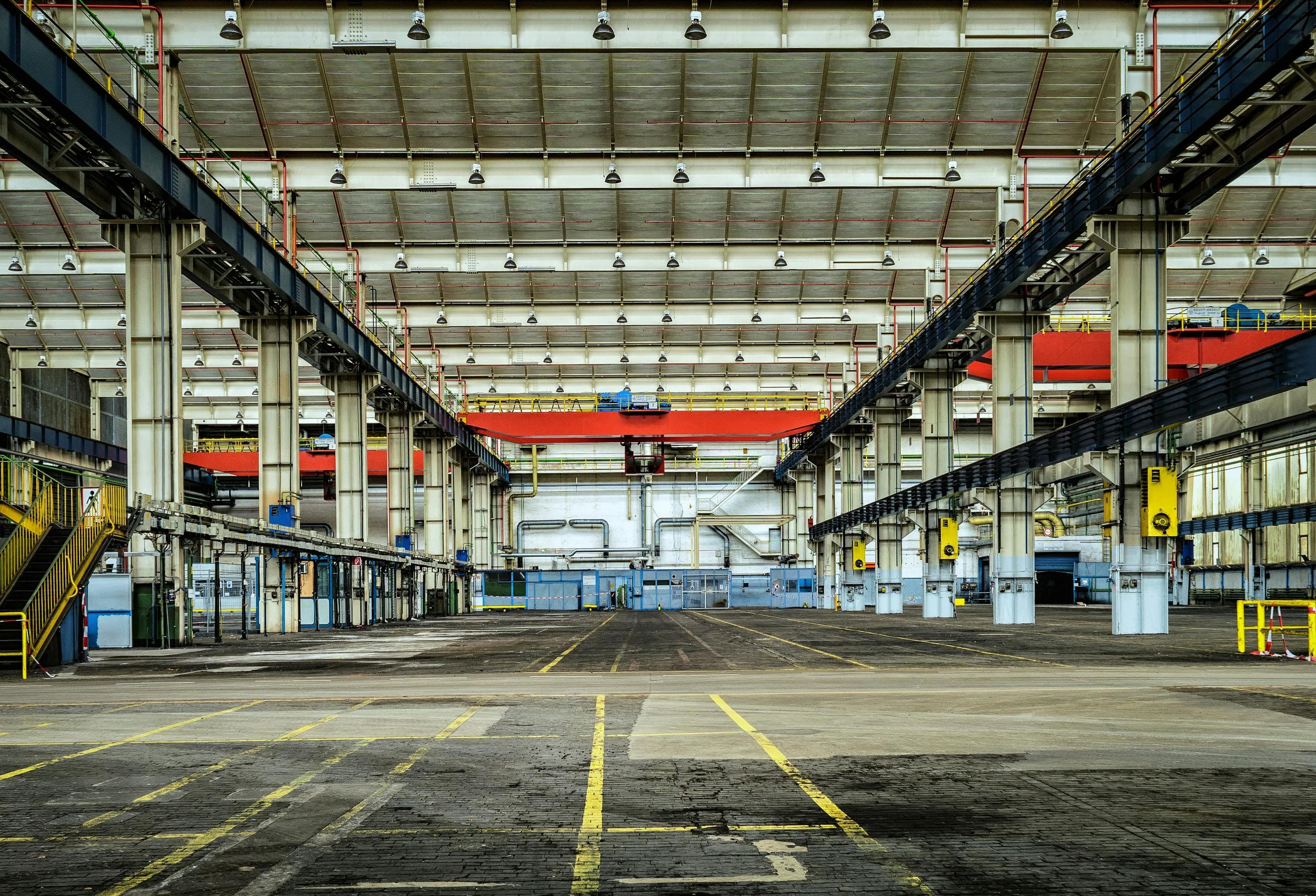
Wall One: The Documentation Required to Certify and Sustain an Aircraft
Before a single flight in operational service, a certification or type-acceptance program produces thousands of pages of compliant technical content: substantiation reports, instructions for continued airworthiness, flight manuals, maintenance manuals, illustrated parts data, training materials, ground support documentation, autonomy validation evidence. Every page traceable, every revision controlled, every standard satisfied.
The standards stack is not optional, and it has gotten denser. FAA Part 21, 23, 27, 29 for crewed certification. EASA SC-VTOL for novel rotorcraft. FAA Part 107, ASTM F38, and the emerging Beyond Visual Line of Sight (BVLOS) rules for uncrewed systems. DO-178C and DO-254 for safety-critical software and hardware. DO-326A for airworthiness security. MIL-STD-3009 and MIL-HDBK-516 for defense airworthiness. S1000D with civil aviation business rules layered on top through ATA Spec 1000BR. ATA iSpec 2200, ATA Spec 2300, MIL-STD-40051. Every program faces its own subset of the stack, but no program faces a small one.
Once a platform is in operational use, the burden multiplies. Service bulletins, airworthiness directives, revisions per tail number, MRO partner integrations, dealer and operator portals, fleet-management dashboards, all driven from the same source content, all required to stay consistent across a fleet that grows from prototype to hundreds or thousands of platforms in a few years.
Programs that treat this as a documentation problem fall behind. Programs that treat it as a content engineering problem ship.

Content Engineering, Done Right the First Time
We are a technical publications and content engineering firm before we are anything else. We build the content architectures, migration pipelines, and authoring systems that scale from prototype manuals to fleet-scale, standards-compliant pubs operations.
- Standards we work in natively — DITA, S1000D Issues 2.1 through 6, MIL-STD-40051, ATA Spec 1000BR, ATA iSpec 2200, ATA Spec 2300
- Migration from legacy — decades of authored content in PDF, Word and FrameMaker migrated into modular, machine-readable formats
- Content architecture and data modeling — built once, reused across cert deliverables, maintenance pubs, training, autonomy evidence, and operator content
- Authoring and publishing pipelines — automated composition, multiple format outputs, validation gates built into the workflow
- Quality assurance built into the process — enforcable business rules, automated content checks, traceability matrices that survive audits
Structured content is not a formatting exercise. It is the foundation every other deliverable in the program will be built on.
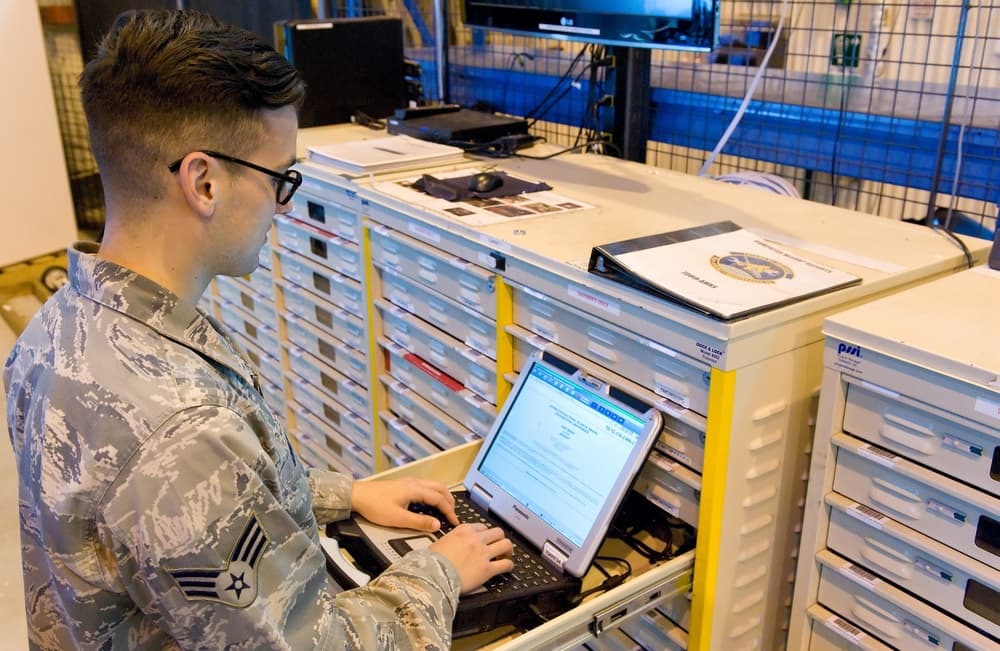
Wall Two: Standing Up a Tech Pubs Operation From Zero
Legacy primes built their technical publications organizations over decades. They have authoring tools licensed, CSDBs deployed, illustration teams staffed, publishing pipelines mature, business rules codified, training programs running. None of that exists at a next-generation aerospace OEM the year before first delivery. Drone manufacturers scaling from prototype to fleet face the same problem. Defense program offices spinning up autonomous teaming, Collaborative Combat Aircraft (CCA) class aircraft, or new uncrewed platforms face it at scale.
Standing it up from scratch means making decisions that will shape the next twenty years of the program: which standard, which CCMS, which CSDB, which authoring tools, which publishing pipeline, which illustration toolchain, what data model, what business rules, how to handle revision control across hundreds or thousands of platforms and a global support network. Each decision constrains every later one. Each wrong decision compounds in cost.
Most programs make these decisions under pressure, with incomplete internal teams in place. The result is platforms chosen for the wrong reasons, content architectures that don't survive contact with real authoring, and operations that need to be rebuilt before they ever stabilize.
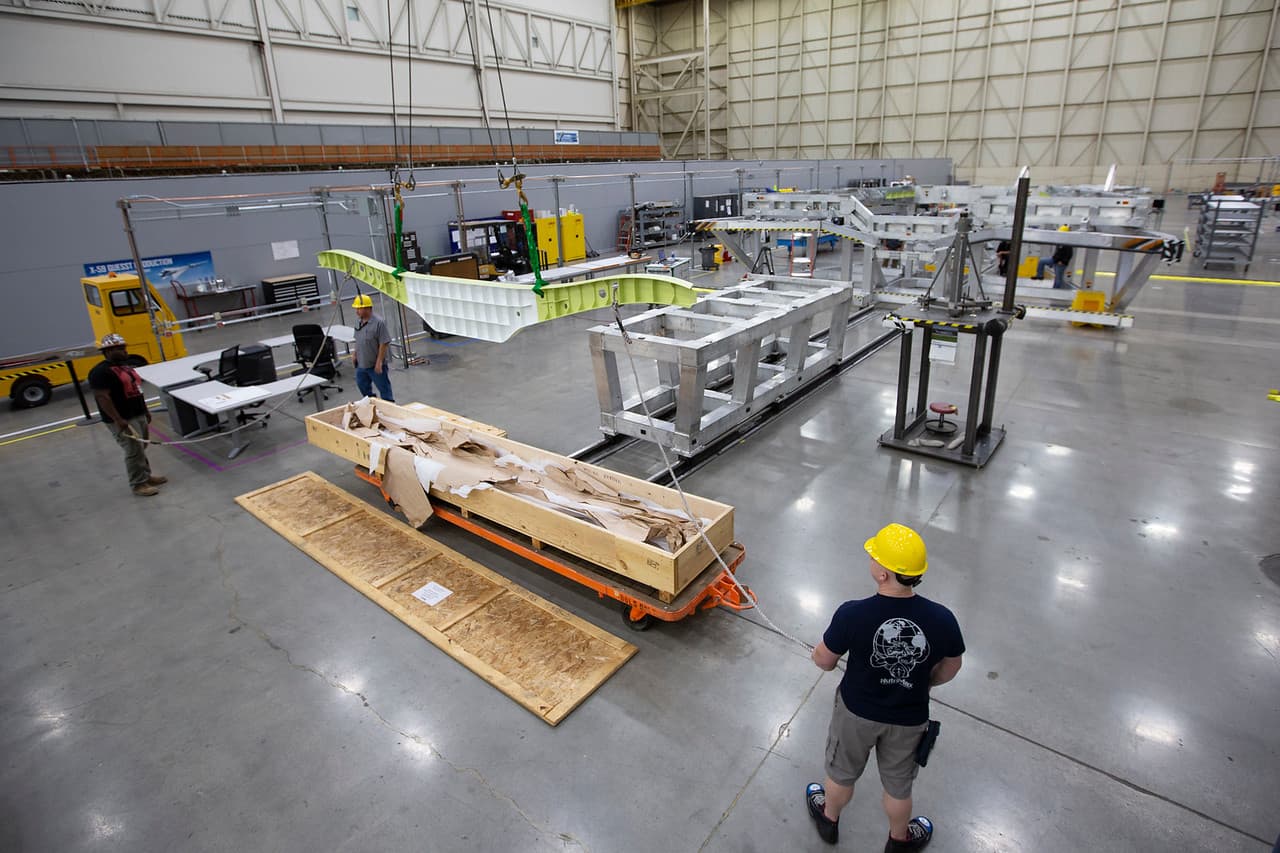
A Deliberate Build, Handed to Your Team
We help programs make these decisions deliberately, then build the operation around them, and we transfer the capability to your growing internal team along the way.
- Discovery and strategy — content audits, gap assessments, technology and architecture evaluations, enterprise roadmaps. Clear-eyed, not a sales pitch for a predetermined solution.
- Platform selection and build-vs-buy — CCMS, CSDB, authoring tools, publishing infrastructure evaluated against your actual content, not a vendor's demo
- Embedded delivery model — when you can commit a team member to the work, we embed them with us so that by the time the operation ships, your people own the architecture, the decisions, and the systems
- Training that builds real capability — hands-on programs in DITA, S1000D, and MIL-STD-40051 for your authors, content managers, and engineering teams whose output feeds the pubs operation
- Full-service when you need it — designers, developers, DevOps, content architects, and project delivery under one roof, so the gaps don't get filled by subcontractors you can't see
The goal is not to be your tech pubs operation. The goal is to stand yours up correctly, hand it to your team, and stay available for the work that exceeds internal capability.
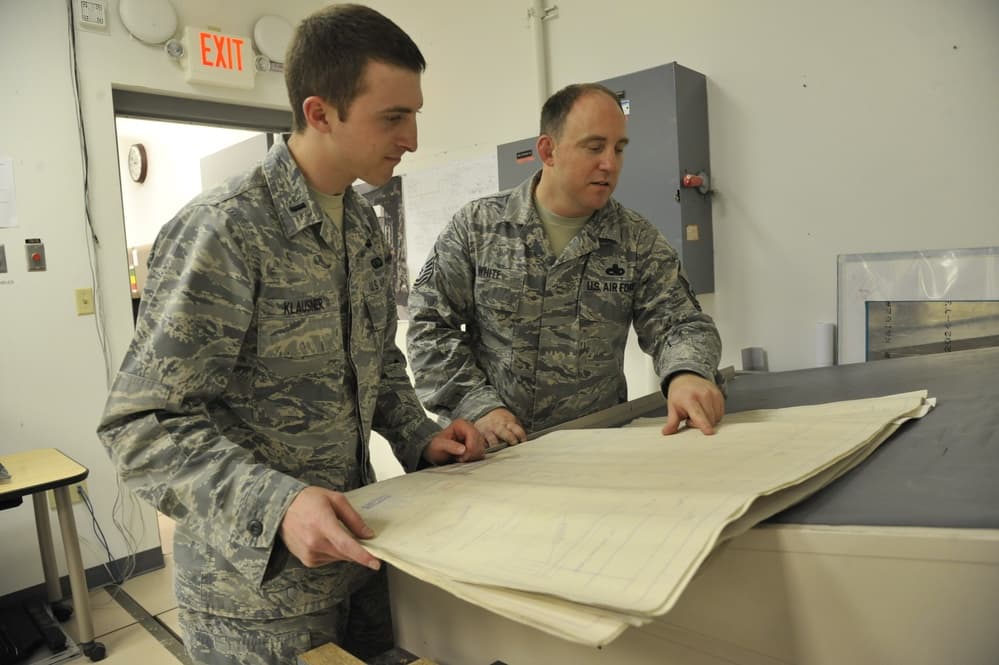
Wall Three: Aircraft That Iterate Faster Than Documentation Can Keep Up
Next-generation aircraft are software-defined. Flight control laws, mission systems, autonomy stacks, charging and energy management, fleet operations, all are software, all are versioned, all are updated on cadences inherited from technology, not aviation. Uncrewed and autonomous platforms iterate fastest of all. eVTOLs and electric regional aircraft are close behind. Even crewed programs touching modern autonomy or modern avionics are dragged into the same release cadence. A flight control or autonomy update can ship in weeks. The maintenance manual, the operator's handbook, the type certificate or airworthiness data sheet, the training materials, and the autonomy validation evidence must all stay accurate, compliant, and traceable across every one of those updates.
Traditional technical publication cycles cannot match this pace, and engineering will not wait. The documentation gap is paid for downstream in out-of-date content trailing a configuration that has already moved on.
The same content is now expected to feed the next layer of program value: predictive maintenance models; intelligent search across the manual library; and generative answers grounded in approved, structured sources. Each of those depends on documentation being current, structured, and authoritative, exactly the properties a lagging pubs cycle cannot guarantee.
Documentation at Engineering Speed
Shakewell is unusual in this market: we are a structured content firm and a full-stack development house under the same roof. That combination is exactly what programs need when the documentation pipeline has to move at engineering speed and stay compliant doing it.
- Automated publishing pipelines — engineering source-of-truth changes flow into structured content updates, validated by business rules, published to every downstream channel without manual rework
- System integrations and APIs — engineering systems, PLM, MES, CMS, CSDB, training platforms, autonomy validation systems, and operator portals integrated so content moves where it needs to go automatically
- AI-ready foundations — content modeled and tagged so it can power retrieval-augmented assistants, predictive maintenance models, and intelligent search the day you decide to turn them on, not after another remediation project
- Cross-functional teams — UX, full-stack, DevOps, QA, and content architects working as one team, so the pipeline between engineering and pubs is not a hand-off between two firms with different priorities
- Built to grow with you — API-first, modular, with clean separation between systems, so what we deliver is a foundation your team can extend as the program evolves
The fastest-moving programs in this market will be the ones whose documentation operations move at the same speed as their engineering organizations. We build the pipelines that make that possible.
Whether you are eighteen months from first delivery or starting a legacy modernization, the earliest conversation is always the most valuable one. We can give you a clear-eyed assessment of where you stand.
or email hello@shakewell.agency