
Field Guide
Convert or Ingest? Two Roads for a Legacy Library
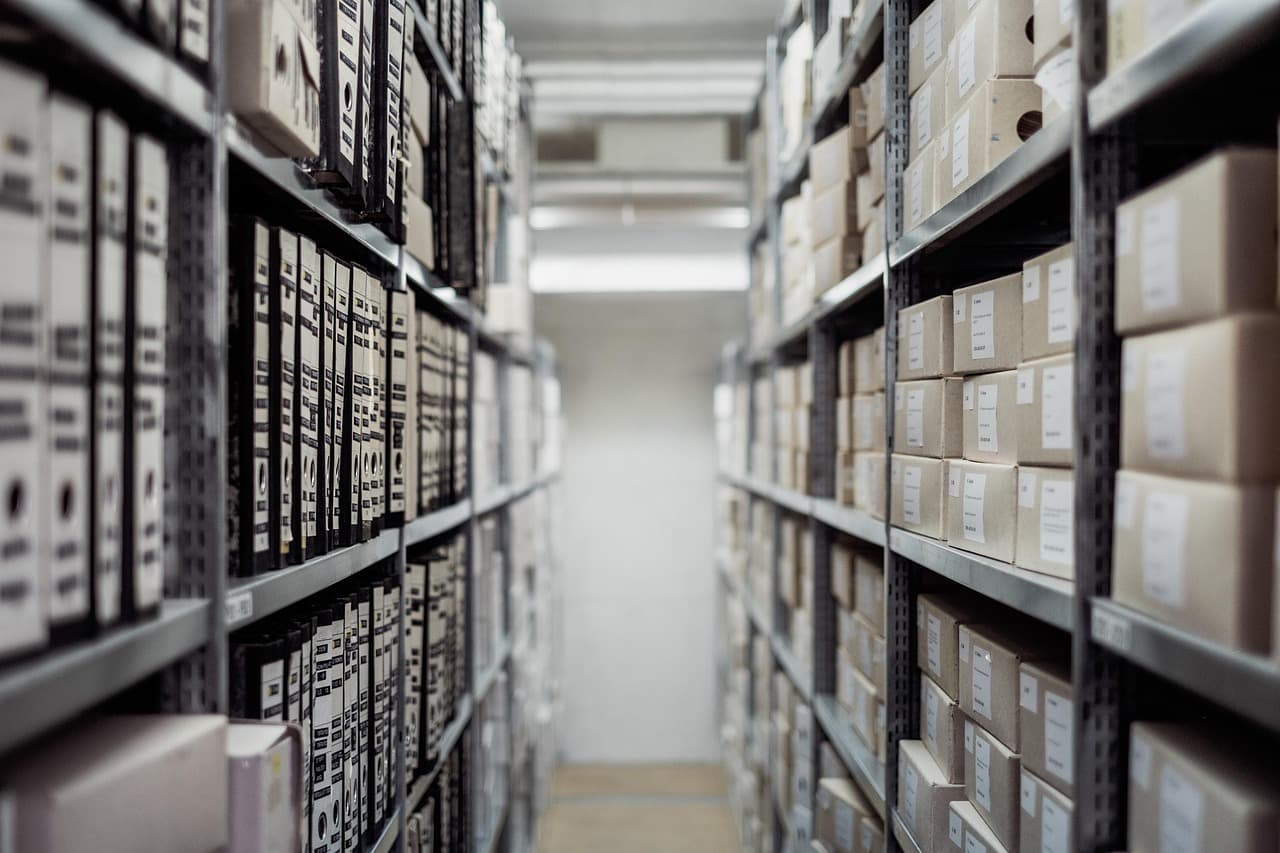
The Fork
Change the Content, or Change Its Behavior
Conversion is the deep fix: the legacy document is rebuilt as structured content, and everything downstream — component reuse, multi-output publishing, clause-level audit — becomes possible. It is also priced accordingly: per document, per format quirk, per exception structure, which is why conversion programs are sampled before they are quoted and budgeted in years for large estates.
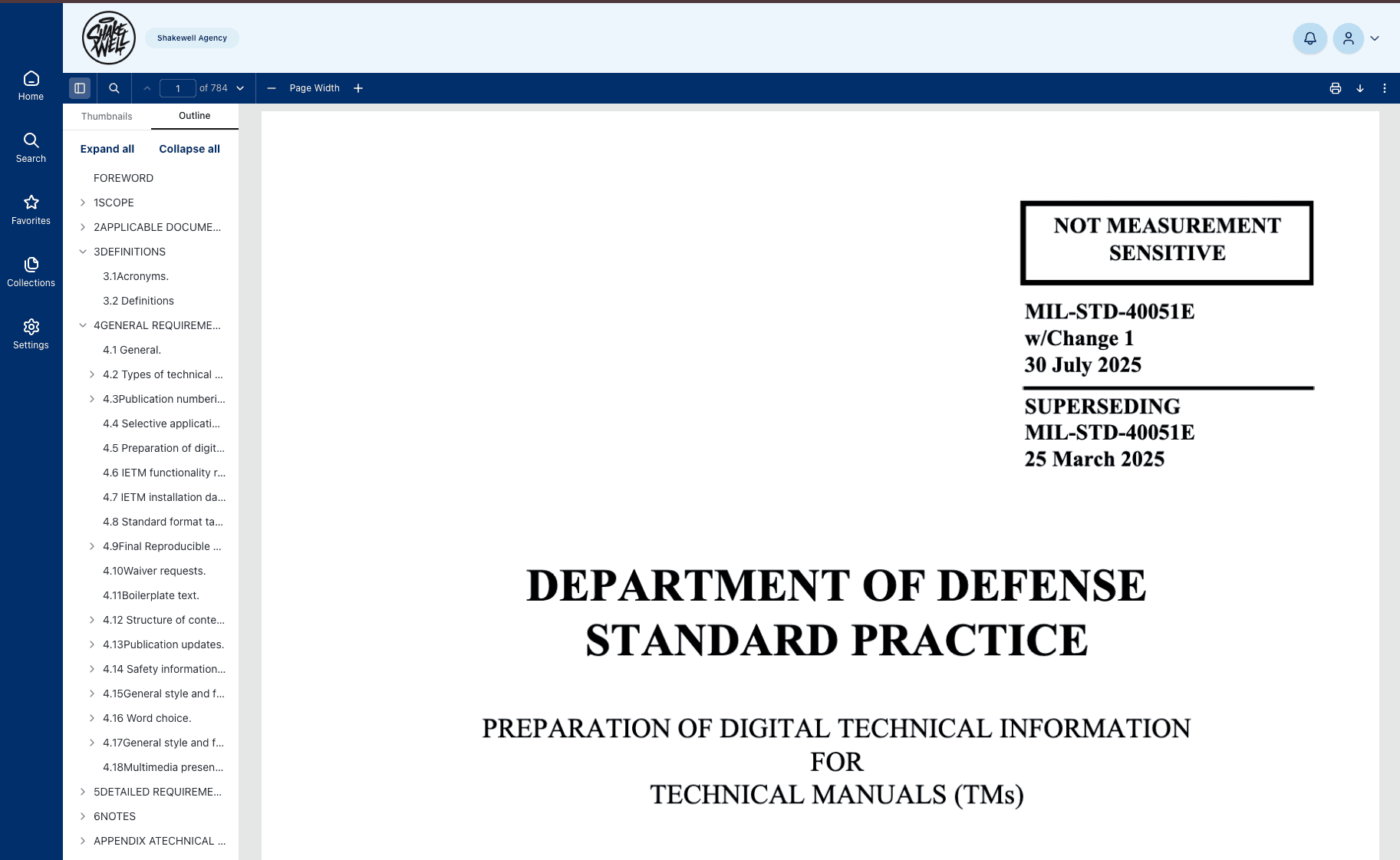
Ingestion is the fast fix: the document stays a PDF, but it stops behaving like one. Ingested into a real platform, it gains a canonical URL, version supersession, permission scoping, full-text search, and page-level rendering fast enough to feel like a website — one uniform reading experience whether the source was structured data or a scanned manual from 2009. What it doesn't gain is an interior: the content inside stays flat, so there is no component reuse and no restructuring without going back to the source.
The Split
Most Libraries Need Both Roads
The estates we see follow the same curve: a small fraction of document families are alive — revised constantly, published to multiple outputs, worth every dollar of conversion — and a long tail is settled: referenced, cited, occasionally audited, never edited again. Converting the tail is money spent making dead documents beautifully structured; ingesting the head leaves your living documents trapped in the workflow that was already failing them. The split is the strategy.
Sequencing matters as much as the split: ingestion first is usually right, because it rescues the whole estate at once — out of the media library, into a content services platform with search, versions, and APIs — while conversion proceeds family by family on its own budget line. Our Content Portal was built for exactly this coexistence, and our publishing practice runs the audits that put real numbers on where your line sits.
FAQ
Questions We Hear
What's the difference between converting and ingesting?
Conversion rebuilds a document as structured content — its sections, tables, and references become managed data that can be re-rendered, reused, and revised at the component level. Ingestion takes the document as it is — usually PDF — and serves it through a modern platform, gaining a canonical URL, version control, permission scoping, full-text search, and page-level addressing without touching the source. Conversion changes what the content is; ingestion changes how it behaves.
When is conversion worth the cost?
When the document has a future: it will be revised repeatedly, published to multiple outputs, mined for reuse, or maintained under a standard that demands structure. Conversion is priced per document and per exception, so it concentrates its value on the living fraction of the library. Converting a document that will never be revised again buys almost nothing that ingestion doesn't deliver for a fraction of the effort.
When is ingestion the right answer?
For the long tail — the thousands of documents that are referenced occasionally, revised rarely or never, but must remain findable, citable, and access-controlled. Ingested PDFs can render like fast web pages, carry page-level links, sit under the same search and permissions as everything else, and even present one uniform reading experience alongside born-structured content. For most large estates, ingestion covers eighty to ninety percent of the files.
How do we decide the split for our library?
Sample it. Rank document families by revision frequency, output requirements, and compliance exposure; the actively-maintained families justify conversion, the archive justifies ingestion, and the audit tells you where the line sits with real numbers attached. The expensive mistake is answering the question globally — 'convert everything' burns budget on dead files, and 'ingest everything' leaves your living documents trapped in the formats that were already failing them.
Get In Touch
Where's Your Line?
Send us the shape of your library — how many families, how often they change — and we'll tell you honestly which fraction deserves conversion and which just needs a better home.