
Explainer
What Is a Component Maintenance Manual?
The Definition
The Manual for the Part, Not the Plane
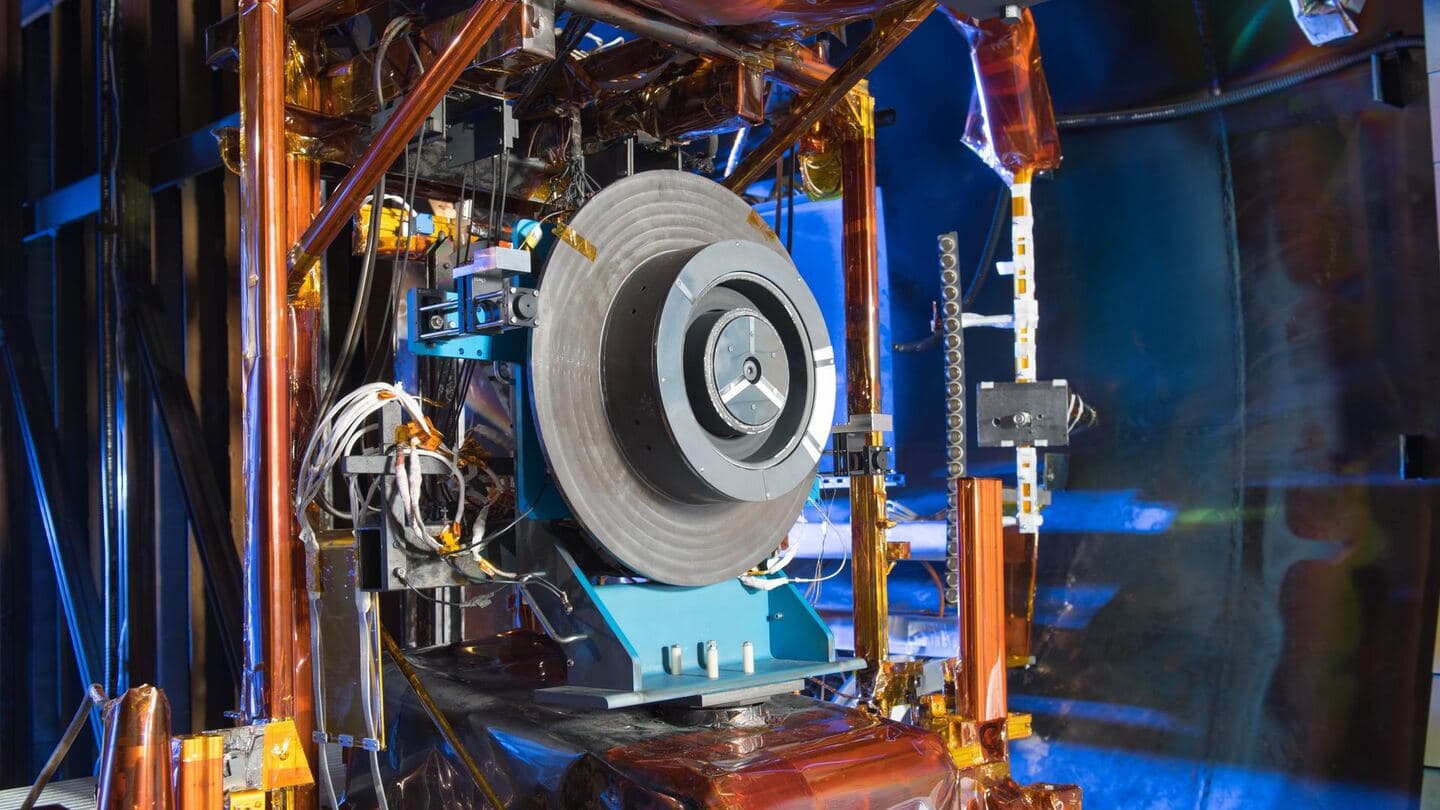
A Component Maintenance Manual governs the maintenance, testing, repair and overhaul of a specific component away from the aircraft. It is published by the company that manufactured that component, which is why the same document is often called a vendor manual, and it picks up precisely where the aircraft-level publications put the unit down.
That division of labor is the whole concept. The Aircraft Maintenance Manual comes from the airframer and covers work performed on the aircraft. For a component, that usually means isolating the fault, removing the unit, and fitting a serviceable one. It does not tell anyone what is inside the unit or what may be done to it, because the airframer did not design it and does not approve its repair.
The CMM answers the next question. What are the acceptance test criteria. How far may this be disassembled. What are the wear limits, and what is the difference between serviceable, repairable and scrap. Which repairs are approved, and which are conspicuously absent and therefore are not. An AMM sends a unit to the shop. The CMM decides what the shop is allowed to do with it.
Inside the Book
A Structure Worth Recognizing
CMMs are conventionally organized under ATA iSpec 2200 and its chapter numbering, and they run through a recognizable sequence:
Description and Operation
What the unit is and how it works, which is where a shop engineer starts on an unfamiliar part number.
Testing and Fault Isolation
Acceptance tests and the diagnostic path, usually the most-used section in the book.
Disassembly
Breaking the unit down to the level the work requires, in the order that does not damage it.
Cleaning
Approved agents and methods, which are specified rather than left to judgment.
Inspection and Check
What to measure and what the limits are. The section that decides serviceable or scrap.
Repair
The permitted repairs, each with its own limits. What is not listed here is generally not approved.
Assembly
Reassembly, torques, and the sequence, including what must be renewed rather than reused.
Fits and Clearances
The dimensional tolerances the whole overhaul is judged against.
Special Tools and Equipment
The fixtures and test equipment without which the procedure cannot be performed as written.
Illustrated Parts List
Every part in the unit, with its relationship to the assembly. The shop's ordering reference.
Storage and Transportation
Preservation requirements, which matter more than they sound for units that sit on a shelf.
The consistency is the feature, and it is easy to undervalue until you have worked without it. A shop engineer opening a manual from a vendor they have never dealt with can find the repair limits without first learning how that company likes to organize documents. That is a content standard doing its actual job: making the structure predictable so the knowledge inside it is reachable.
One section deserves singling out. The Illustrated Parts List inside a CMM is the shop's ordering reference, and its quality is decided long before it reaches the publication, in the provisioning data upstream. That relationship is the subject of the materiel specifications on the military side, and the failure mode is identical in civil work: a parts list that disagrees with the part actually in the unit sends the wrong item across the world before anyone notices.
The Hard Part
Dozens of Vendors, Dozens of Schedules
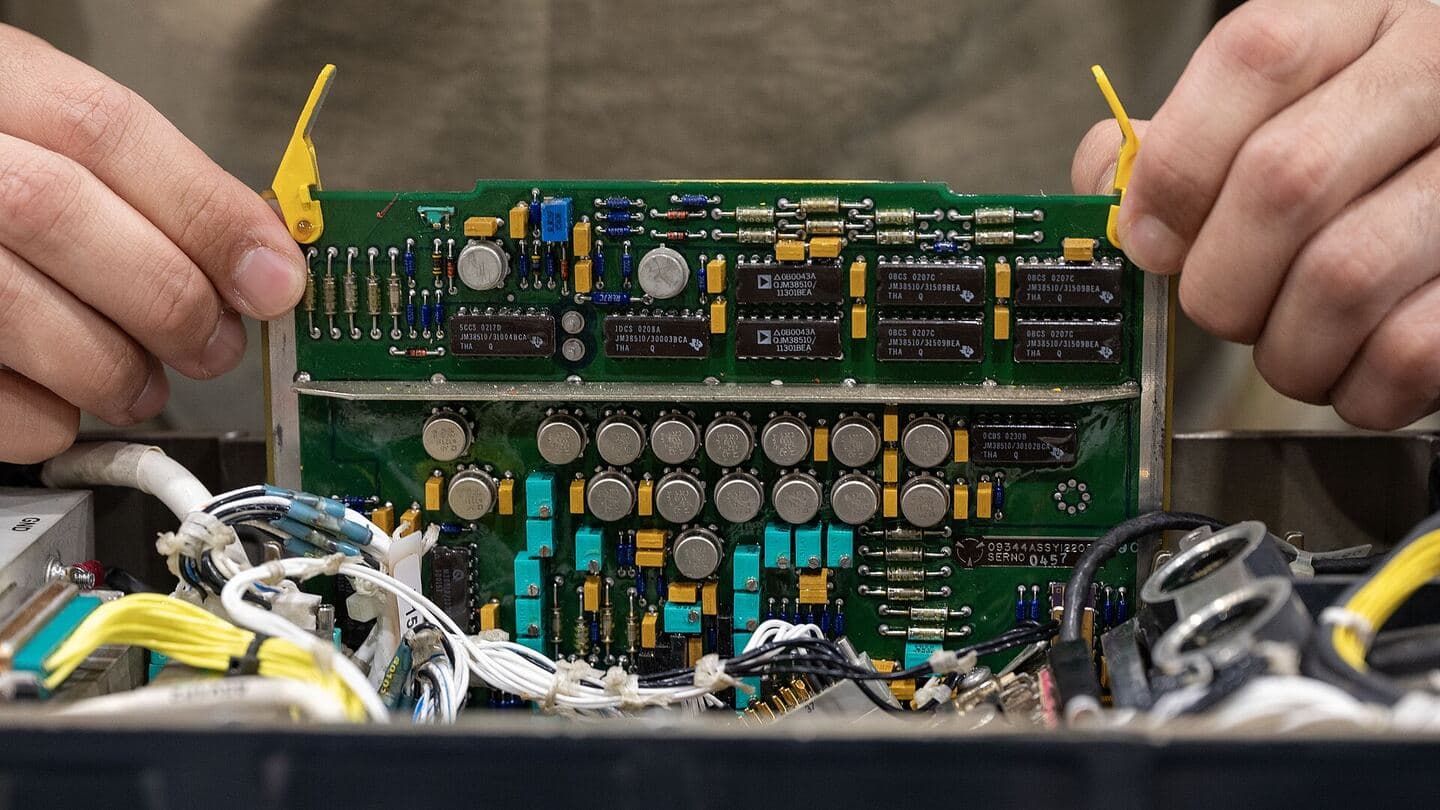
Here is what makes component data genuinely harder to manage than aircraft data, and it is not technical. Every component has its own publisher. An aircraft carries units from dozens of suppliers, each maintaining its own manual, on its own revision cycle, in its own format, distributed through its own portal or account. There is no single feed and no shared calendar.
For a repair station that fragmentation has a regulatory edge on it, because capability is tied to data. Approval to work a given component depends in part on holding the current manual that governs it, so adding a part number to a capability list means acquiring and then maintaining another subscription from another vendor. Doing an overhaul to a superseded revision is a finding that reaches back through everything released under it, which is why revision currency is a system problem rather than a filing problem.
If you are trying to get hold of a specific CMM right now, the mechanics of that are their own subject, and the short version is that the manual is licensed rather than sold. Our guide to obtaining OEM manuals legitimately covers the routes, what you need in hand before asking, and why the copies offered for sale online fail an audit even when they are the right document.
FAQ
Questions We Hear
What does CMM stand for in aviation?
In aviation, CMM stands for Component Maintenance Manual. The full form matters because it distinguishes it from the aircraft-level manuals: a CMM covers a single component worked on away from the aircraft, in a shop, and is published by the company that made that component rather than by the airframer.
What is a Component Maintenance Manual?
The manual for maintaining, testing, repairing and overhauling a specific component away from the aircraft, in a workshop. It is published by the company that made the component rather than by the airframer, and it exists because the aircraft-level manuals stop at removal and installation. Once a unit is on a bench, the CMM is the document that governs what may be done to it, what the limits are, and what has to be renewed.
What is the difference between a CMM and an AMM?
Where the work happens, and who wrote it. The Aircraft Maintenance Manual is published by the airframer and covers work performed on the aircraft, which for a component usually means fault isolation, removal, and installation. The Component Maintenance Manual is published by the component vendor and covers what happens to that unit off the aircraft: disassembly, inspection against limits, permitted repairs, reassembly, and test. An AMM tells a line technician to remove and replace a unit. The CMM tells a shop what to do with the one that came off.
Who publishes CMMs?
The component manufacturer, which is why they are also called vendor manuals. A single aircraft carries components from dozens of suppliers, each maintaining its own publication on its own revision schedule, in its own house style, delivered through its own channel. That fragmentation is the defining practical problem of component data: an operator or repair station deals with one airframer for the aircraft manuals and a long list of vendors for the components inside it.
Why does a repair station care so much about CMMs?
Because capability is tied to data. A repair station is approved for specific components, and holding the current manual for each is part of demonstrating that it can perform the work to the approved standard. Adding a part number to a capability list means obtaining and maintaining the manual that governs it. This is also why CMM currency is audited: performing an overhaul to a superseded revision is the kind of finding that questions everything released under it.
How are CMMs structured?
Conventionally under ATA iSpec 2200 and its chapter numbering, with a recognizable section run: description and operation, testing and fault isolation, disassembly, cleaning, inspection and check, repair, assembly, fits and clearances, special tools, an illustrated parts list, and storage. The consistency is the point. A shop engineer opening an unfamiliar vendor's manual can find the repair limits without learning a new document structure first, which is exactly what a content standard is for.

Get In Touch
Publishing Component Data?
If you manufacture components, your CMMs are a product your customers are audited against. We author and structure them so revisions reach every holder with a record that they did.