
Explainer
Digital Thread vs Digital Twin: What They Mean for Technical Data
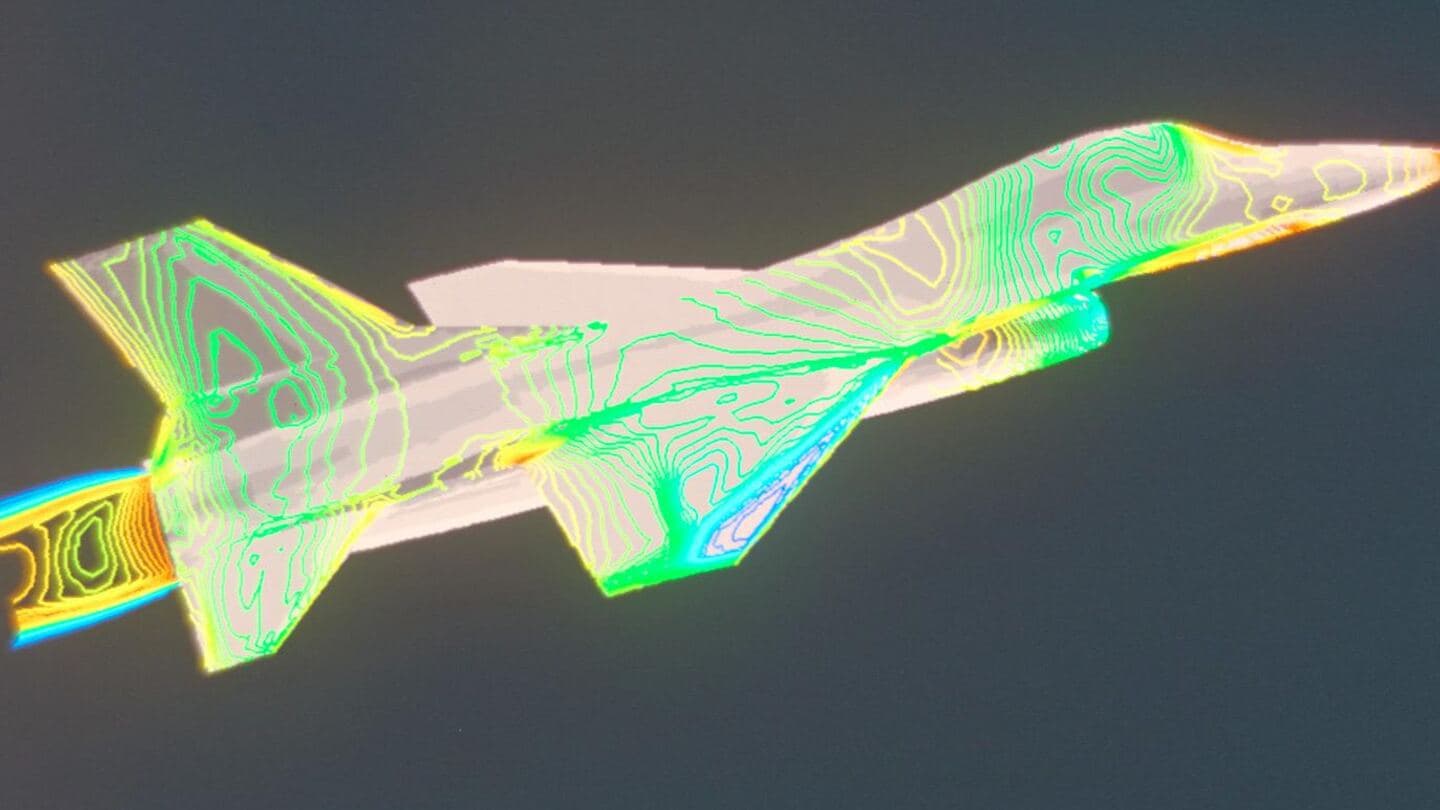
Definitions
Two Terms, One Ecosystem
DoD Instruction 5000.97, Digital Engineering, defines a digital twin as “a computerized representation (integrated set of models) that serves as the real-time digital counterpart of a physical object or process.” The idea was set out for aerospace in a 2012 NASA and U.S. Air Force paper describing a simulation of an as-built vehicle that uses “the best available physical models, sensor updates, fleet history, etc., to mirror the life of its corresponding flying twin.”
The same instruction defines the digital thread as an analytical framework for “the controlled interplay of technical data, software, information, and knowledge in the digital engineering ecosystem,” used “to inform decision makers throughout a system's life cycle by providing the capability to access, integrate, and transform data into actionable information.”
Put simply, a twin is a model of a thing, and the thread is what connects every model and record about that thing across its life. Twins depend on the thread: a twin is only as current as the data the thread delivers to it.
Side by Side
How They Differ
| Digital twin | Digital thread | |
|---|---|---|
| What it is | A model, or integrated set of models, of one physical thing or process. | A framework that connects data, models, and knowledge across the life cycle. |
| Scope | One asset, or one class of asset, mirrored over its life. | Everything from requirements and design through production, sustainment, and disposal. |
| Purpose | Mirror and predict how the real thing behaves. | Let the right data reach the right decision, with its history intact. |
| Example | A structural model of one airframe, updated with its own flight and inspection data. | The links from that airframe's design model to its parts data, maintenance records, and manuals. |
Policy
What DoD Instruction 5000.97 Requires
The instruction took effect on 21 December 2023. Programs initiated after that date “will incorporate digital engineering” unless the program's decision authority grants an exception; older programs are not required to. Its stated aim includes moving “the primary means of communicating system information from documents to digital models and their underlying data.”
Three requirements matter most for anyone who delivers technical data. Configuration control must be maintained on digital models and digital twins. Program managers must require digital models, artifacts, and data sets as contract deliverables, through data requirements lists and data item descriptions, with the intellectual property rights to use them. And the instruction lists product support and sustainment through disposal, and training aids, among the uses of the digital thread.
It builds on the 2018 DoD Digital Engineering Strategy, whose second goal is to provide an enduring, authoritative source of truth, a term the instruction defines as the reference point for models and data across the life cycle, connecting configuration-controlled versions of both.
Technical Manuals
Where the Thread Usually Breaks
DoD Instruction 5000.97 never mentions technical manuals. The services do. The Army's 2024 digital engineering directive expects maintainers to “train virtually with the support of rapidly developed materials and manuals.” Air Force technical order policy aims at “up-to-date digital technical data at the point of use,” and names S1000D as the preferred format for new interactive technical order acquisitions. An Air Force Research Laboratory account of the digital thread describes each completed maintenance action being recorded and added to the aircraft's thread.
Our read: the manual is where the thread meets the maintainer, and it is where the thread most often breaks. A manual written as a document beside the models falls out of step with every engineering change. A manual built as structured data, keyed to the same configuration through applicability, fed from the same technical data package, and reporting maintenance experience back through the S-Series, is part of the thread rather than a copy of it. Our piece on model-based technical data covers the model side, and the Digital Standards Strategy shows the same shift reaching the standards themselves.
FAQ
Questions We Hear
What is a digital thread?
DoD Instruction 5000.97 defines it as an extensible, configurable analytical framework for the controlled interplay of technical data, software, information, and knowledge across the digital engineering ecosystem, used to inform decision makers throughout a system's life cycle. In plain terms: the connections that let data from design, production, and sustainment reach each other, with traceability.
What is a digital twin?
DoD Instruction 5000.97 defines it as a computerized representation, an integrated set of models, that serves as the real-time digital counterpart of a physical object or process. The term was set out for aerospace in a 2012 NASA and Air Force paper describing a simulation of an as-built vehicle that mirrors the life of its flying twin.
What is the difference between a digital thread and a digital twin?
A digital twin is a model of a specific thing; a digital thread is the framework that carries data between models, systems, and life-cycle phases. Twins live on the thread: a twin is only as current as the data the thread delivers to it, from design changes to maintenance records.
Does DoD require digital engineering?
For new programs, yes, with exceptions. DoD Instruction 5000.97, effective 21 December 2023, says programs initiated after that date will incorporate digital engineering unless the program's decision authority grants an exception; existing programs are not required to. It also directs program managers to require digital models, artifacts, and data as contract deliverables.
Where do technical manuals fit in the digital thread?
DoD Instruction 5000.97 does not mention them, but the services do: the Army's 2024 digital engineering directive expects maintainers to train with rapidly developed materials and manuals, and Air Force technical order policy calls for up-to-date digital technical data at the point of use. Manuals join the thread when they are structured data tied to the same configuration as the models, rather than documents written beside them.

Get In Touch
Manuals on the Digital Thread
We build technical publications as structured data, tied to the configuration and engineering data behind them, so manuals keep pace with the models instead of trailing them.