
Explainer
Your Document Platform Knows Things Google Analytics Doesn't

The Blind Spot
The Download Is Where Insight Ends
Ask a web analytics dashboard about your documents and it will answer the only question it can: how many times each file was fetched. Four hundred downloads — of a nine-hundred-page manual. Which chapters get used? Whether anyone reached the safety section? Whether readers are working from the current revision or the one they downloaded in March? Silence. A downloaded file reports nothing back; the organization is publishing into the dark and calling the fetch count engagement.
Serve the same content through a platform, page by page, and the dark lifts. Every view, search, and download is an event: who (by role), what (to the page), when, from which version. Not as surveillance — as the same feedback loop every other product function already takes for granted.
The Signals
Three Questions Worth Answering
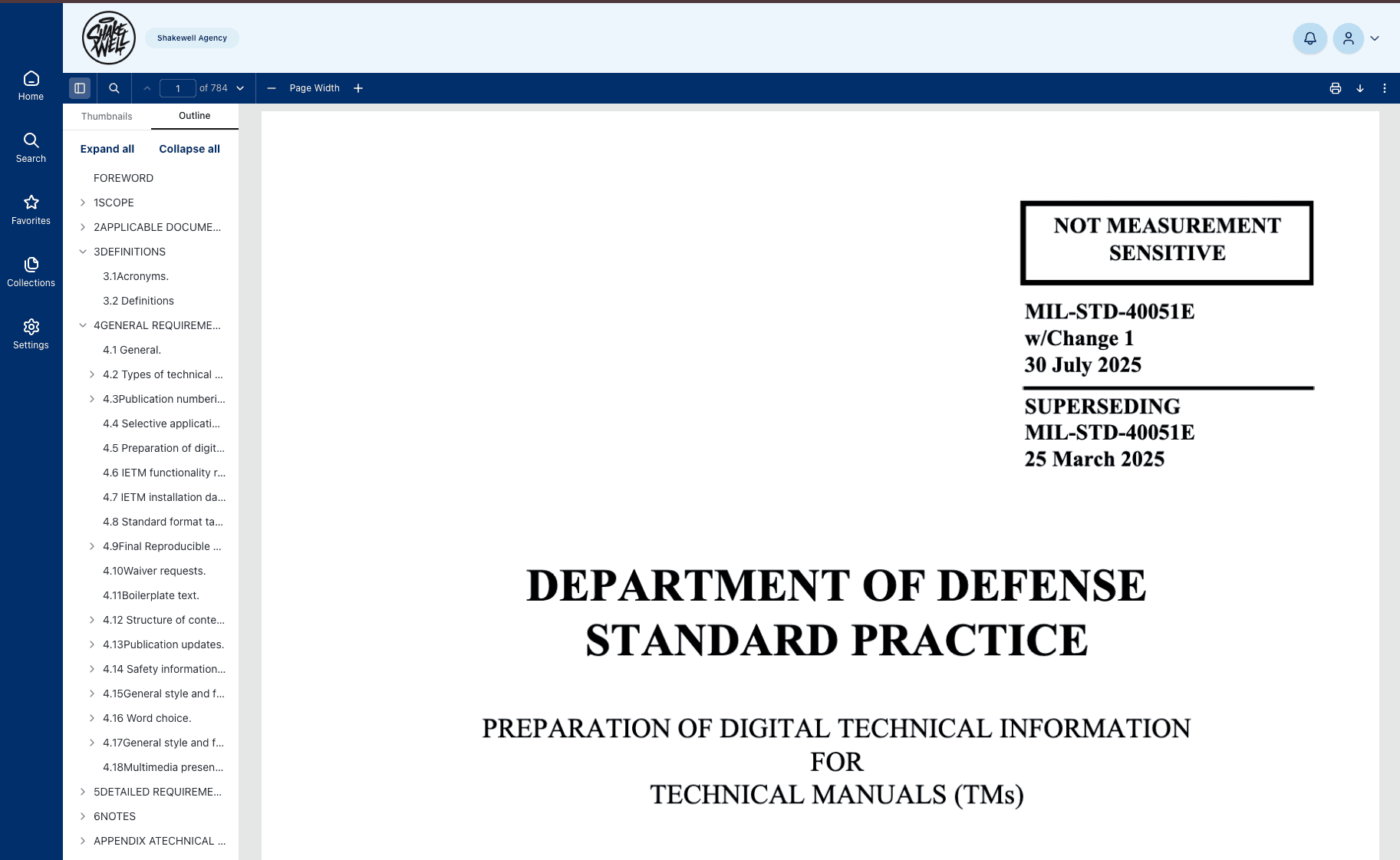
Three signals repay attention immediately. What do readers use? Per-section usage tells you where to spend revision effort — and which publications nobody opens, which is its own budget conversation. What do they search for and not find? Failed queries are a ranked list of missing content and vocabulary mismatches, and the recurring misspellings belong in the search model as synonyms, so the next mistyped designation still lands on the right page. Who is on an old version? Version-aware serving makes currency auditable — the question that matters most in regulated work, where which revision someone read, and when can end up in front of an investigator.
The architecture behind all of it is the one this series keeps arriving at: a platform that serves content as addressable pages necessarily sees at page resolution, and a platform with an events API can hand the raw stream to your BI team — who should own the dashboards, because they know your questions. Our Content Portal captures exactly this telemetry, batched and queued so the reader never feels it — including the signal we consider the most underrated in the whole discipline: the search that found nothing.
FAQ
Questions We Hear
What can document analytics see that web analytics can't?
Web analytics ends at the download: it can tell you a PDF was fetched 400 times and nothing else, because a downloaded file reports nothing back. A document platform serves content page by page, so it sees inside the reading: which sections get used, how long readers spend where, which pages get deep-linked, which versions people are actually working from, and what every API consumer requested. The unit of insight drops from 'the document' to 'the page' — and most decisions live at the page level.
What is the most valuable single signal?
Failed search — the terms people looked for and didn't find. It's a direct list of what your audience needs and can't get: missing content, wrong titles, vocabulary mismatches between readers and authors, and misspellings the search model should learn. Documentation teams rarely get user feedback in any other form; failed-search logs are user research nobody had to schedule.
What should we do with search misspellings?
Teach the search engine, not the users. Recurring misspellings and near-miss terms can be fed back into the search model as synonyms and fuzzy matches, so the next person who types the wrong designation still lands on the right document — and can be shown the correct form along the way. Watching real queries and tuning retrieval is routine platform care, the same way a librarian learns what patrons actually ask for.
How does raw event data become executive insight?
The platform's job is to log everything — views, searches, downloads, API requests, per user, per page, per version — and expose it as data. The dashboard's job belongs to your business intelligence team, because they know which questions matter to your organization. The pattern we recommend: the platform feeds its event stream into your BI tooling, and analysts build the views — usage by publication, by audience, by version currency — rather than accepting whatever fixed dashboard a vendor imagined for you.

Get In Touch
Publishing Into the Dark?
If your only documentation metric is downloads, you're flying a library on one gauge. We build the delivery and telemetry that show you the reading.