
Explainer
What Is a Structural Repair Manual?
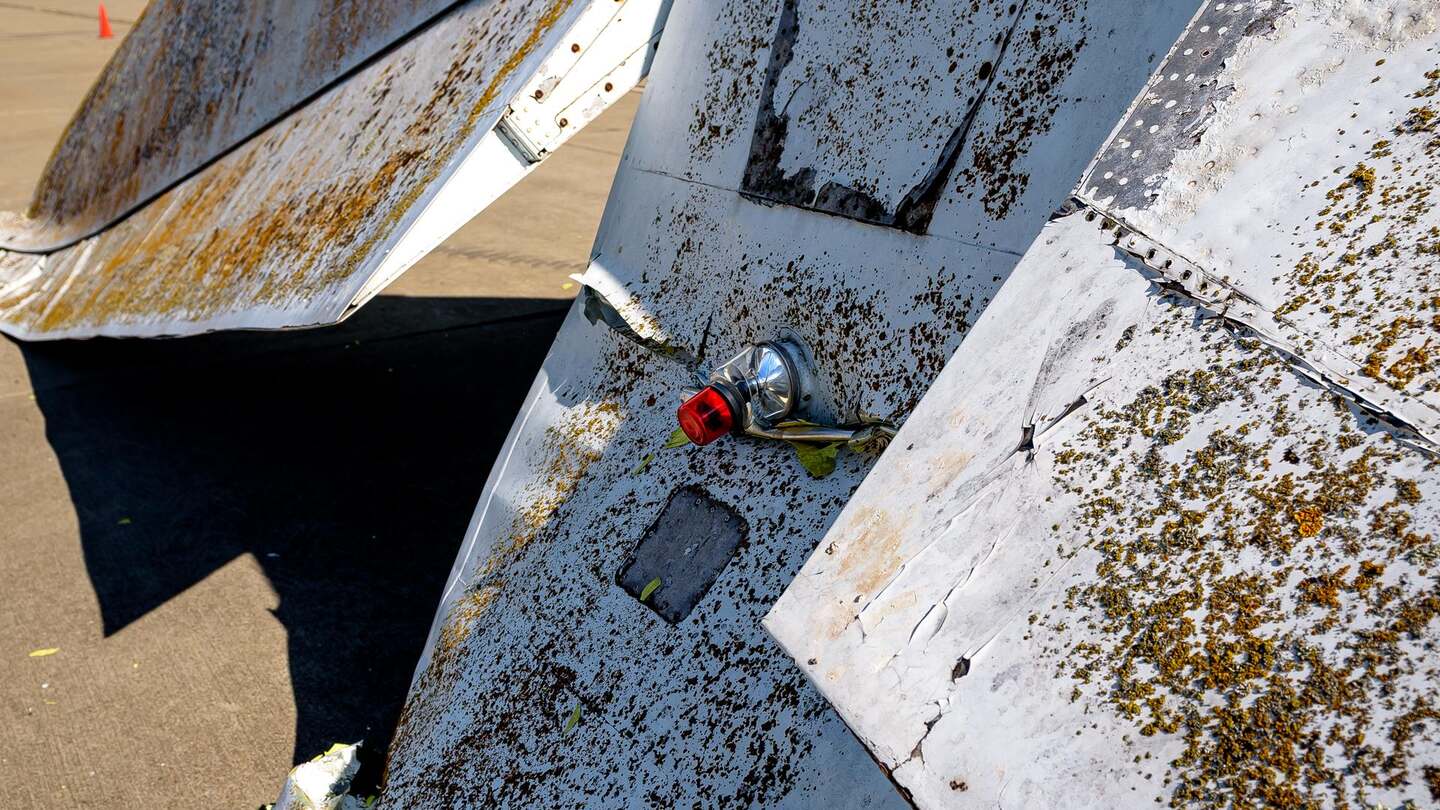
The Definition
The Manual for Damage
A Structural Repair Manual describes an aircraft's structure, sets the limits within which damage is allowable, and gives repair schemes for damage beyond them. It covers skins, frames, stringers, doors, windows, wings, and stabilizers, and it is published by the company that holds the type certificate.
It is one of the core aircraft manuals, and its boundary with the Aircraft Maintenance Manual is easy to state. The AMM maintains the systems. The SRM looks after the structure those systems are mounted in. A technician who finds corrosion or a dent during an AMM inspection opens the SRM to decide what it means.
Structure has its own range of ATA chapters in ATA iSpec 2200, and an SRM is typically organized around them:
The Decision
Allowable, Repairable, or Beyond the Book
Every structural finding goes through the same question: what do the published limits say? The answer lands in one of three places.
Within allowable damage
The damage is inside the published limits. The structure can stay in service without a structural repair, though the finding is still recorded and the manual may attach conditions to it.
Covered by a published repair
The damage is beyond allowable limits but matches a repair scheme in the manual: the materials, fasteners, dimensions, and inspections are already defined.
Beyond the manual
Neither applies. The repair needs data written for this damage, approved by the FAA if it is a major repair, before the aircraft returns to service.
The value of the manual is in the middle row. A published repair turns what would be an engineering question into a defined task, which is the difference between an aircraft back in service this shift and one waiting on the manufacturer.
The Rules
Where the Regulations Draw the Line
The FAA regulations do not name a structural repair manual. They name the work and the data it must follow. Under 14 CFR 43.13, maintenance uses the methods in the current manufacturer's manual or Instructions for Continued Airworthiness, or other methods acceptable to the FAA, and it must leave the structure at least equal to its original or properly altered condition.
Structural repairs are often major repairs. 14 CFR 1.1 defines one as a repair that, if improperly done, might appreciably affect structural strength or other airworthiness qualities. Appendix A to Part 43 lists airframe examples: repairs to spars, wing stringers, and fuselage longerons, splicing of skin sheets, and repairs to stressed metal skin where the damaged area exceeds six inches in any direction.
That classification decides the paperwork. An inspection authorization holder may return an aircraft to service after a major repair only if the work followed technical data approved by the FAA (14 CFR 65.95), and the repair is recorded on FAA Form 337, or on a repair station's work order when it was made in accordance with a manual acceptable to the FAA (Part 43, Appendix B). Data written for the case, and its approval, are what separate the third outcome above from the second.
The general FAA guidance, AC 43.13-1B, is not a way around the manual. It covers nonpressurized areas of civil aircraft, applies only when there are no manufacturer repair or maintenance instructions, and generally concerns minor repairs. Where a type certificate holder publishes repair data, that data governs.
Continued Airworthiness
Repairs Have a Future, Too
A structural repair is not finished when the last fastener goes in. For transport category airplanes, the Instructions for Continued Airworthiness must include structural access information, special inspection techniques such as radiographic and ultrasonic testing, protective treatments after inspection, and structural fastener data (Part 25, Appendix H). Structural inspection intervals approved under the damage tolerance rules, and the limit of validity of the structural maintenance program, go in the Airworthiness Limitations section.
Repairs themselves are covered too. Under 14 CFR 26.43, the type certificate holder for a large transport turbine airplane (30 or more passenger seats, or a payload of 7,500 pounds or more) must review its published repair data, identify each repair that affects fatigue critical structure, perform a damage tolerance evaluation, and make the resulting inspections available. A repair taken from the manual can therefore carry inspections of its own for the rest of the aircraft's life.
That is why SRM revision currency matters as much as AMM currency. The repair scheme, its inspections, and the parts it calls for (in the illustrated parts catalog) all have to agree, revision for revision.
Related
The Rest of the Family
The SRM sits beside the AMM, the Wiring Diagram Manual, and the parts catalog at aircraft level, with the Component Maintenance Manual taking over for units removed to a shop. If you need the real manual for a specific aircraft, it comes from the type certificate holder under license: see where aircraft manuals come from and obtaining OEM manuals legitimately.
FAQ
Questions We Hear
What is a Structural Repair Manual (SRM)?
The manual for assessing and repairing damage to an aircraft's structure, published by the company that holds the type certificate. It describes the structure, sets the limits within which damage is allowable, and gives approved repair schemes for damage beyond those limits. It covers the airframe itself: skins, frames, stringers, doors, windows, wings, and stabilizers.
What is the difference between the SRM and the AMM?
The AMM covers maintenance of the aircraft's systems: servicing, troubleshooting, removal and installation, testing. The SRM covers damage to the structure itself and how to repair it. A technician who finds a dent during an AMM inspection task turns to the SRM to decide whether it is allowable or needs a repair.
What does allowable damage mean?
Damage small enough, by the manual's published limits, that the structure can stay in service without a structural repair. Allowable damage is still recorded, and the manual may attach conditions to it. Damage beyond the limits needs a repair, either one published in the manual or one engineered for the case.
Is a structural repair a major repair?
Often. Under 14 CFR 1.1, a major repair is one that, if improperly done, might appreciably affect structural strength or other airworthiness qualities. Appendix A to Part 43 lists airframe examples, including repairs to spars, stringers, fuselage longerons, and stressed skin damage exceeding six inches in any direction. A major repair needs technical data approved by the FAA before an inspection authorization holder can return the aircraft to service.
Can AC 43.13-1B be used instead of the SRM?
Not as a substitute. FAA AC 43.13-1B gives acceptable methods for nonpressurized areas of civil aircraft only when there are no manufacturer repair or maintenance instructions, and it generally covers minor repairs. Where a type certificate holder publishes repair data, that data comes first, and the AC cannot be used where it contradicts it.
Where can I download a Boeing or Airbus SRM PDF?
You generally cannot, legitimately. SRMs are licensed by the type certificate holder to operators and maintenance organizations and kept current through revisions. Copies circulating online are neither licensed nor current, and repairing structure to a superseded revision is an audit finding with real consequences. Our guide to obtaining OEM manuals covers the legitimate routes.

Get In Touch
Structuring Repair Data?
We convert legacy structural repair manuals into iSpec 2200 or S1000D and deliver revisions so every holder works from the current one.