
Explainer
The AFM and QRH, Explained
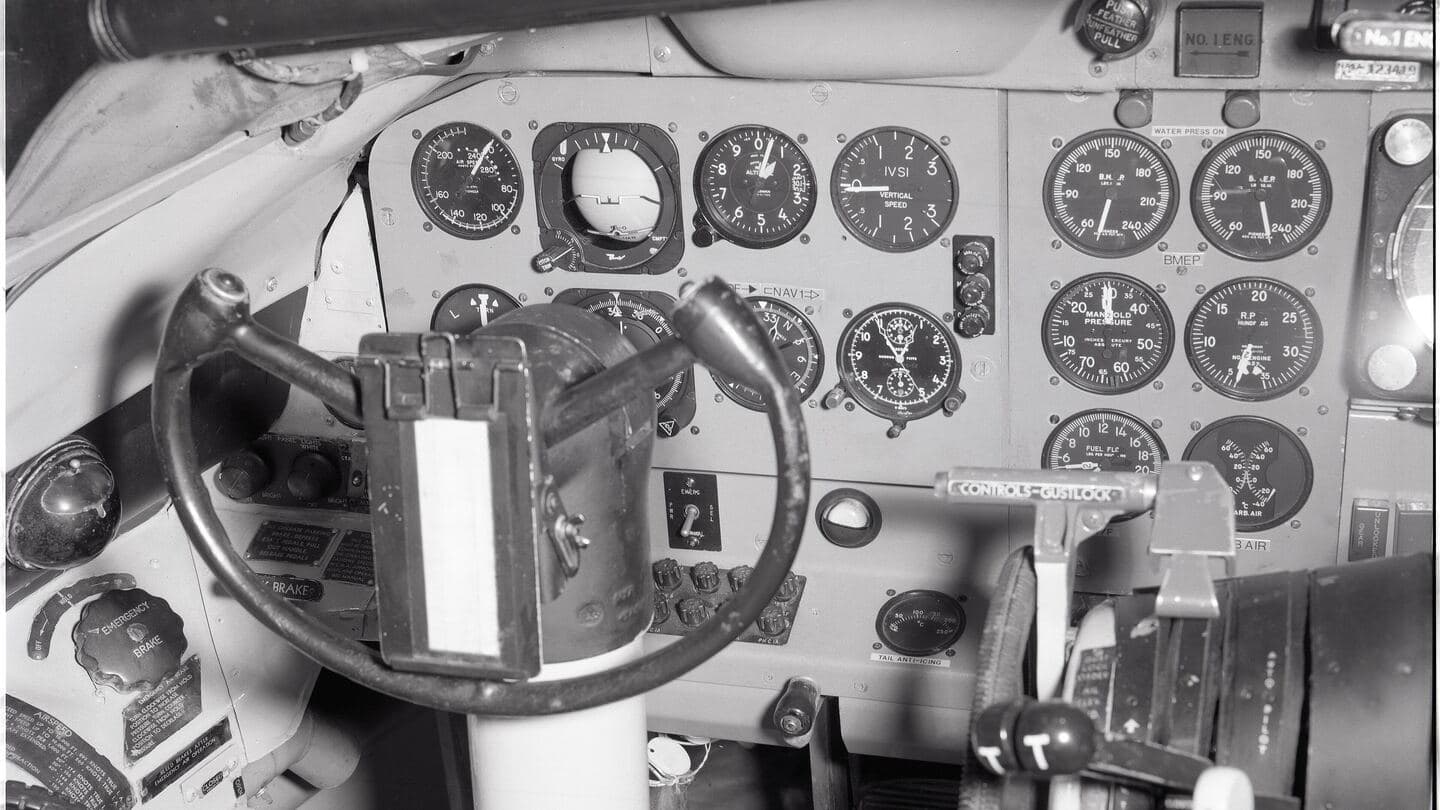
The AFM
The Approved Document
The Airplane Flight Manual is a certification document. For transport category airplanes, 14 CFR 25.1581 requires one to be furnished with each airplane. It must contain the information required by sections 25.1583 through 25.1587, plus anything else necessary for safe operation because of the airplane's design, operating or handling characteristics.
- Operating limitations (25.1583): airspeed, powerplant, weight and center of gravity, minimum flight crew, kinds of operation, temperature and altitude extremes, and maneuvering load factors.
- Operating procedures (25.1585): normal procedures peculiar to the type, non-normal procedures for malfunctions and failures, and emergency procedures.
- Performance information (25.1587): the performance data computed under Part 25 within the airplane's operating limits.
Smaller airplanes follow a different rule. Under 14 CFR 23.2620 the applicant must provide an Airplane Flight Manual with each airplane, covering limitations, procedures, performance, loading and other safety information, and which of those sections the FAA must approve depends on the airplane's speed and level.
The manual has legal force on the operator. Under 14 CFR 91.9, no person may operate a civil aircraft without complying with the operating limitations in the approved flight manual, markings and placards, and a current approved manual must be available in the aircraft where one is required. Part 121 operators must also keep a current approved flight manual for each type they operate (14 CFR 121.141(a)), with exceptions for certain older nontransport airplanes.
Approved or Not
What Is Approved and What Is Not
Section 25.1581(b) is explicit: each part of the manual listed in 25.1583 through 25.1587 must be furnished, verified and approved, and must be segregated, identified and clearly distinguished from each unapproved part. FAA Advisory Circular 25.1581-1 (Change 1, October 2012) adds that unapproved material should be labeled as guidance information only and located in a different section from the approved material. The circular is guidance, not a requirement.
The AFM also grows over an aircraft's life. The same circular describes appendices, such as the Configuration Deviation List (CDL), which permits operation without certain secondary airframe and engine parts, and supplements, which cover changes such as those introduced by a supplemental type certificate. Whoever maintains the airplane's records has to know which supplements apply to which tail number.
The QRH
The Crew's Checklist Book
The Quick Reference Handbook is the in-seat extract: non-normal and emergency checklists, laid out so a crew can find and run them quickly under pressure. Those procedures trace back to the non-normal and emergency procedures that Part 25 requires in the AFM, and the detailed material behind them sits in the manufacturer's Flight Crew Operating Manual. Manufacturers generally produce the QRH alongside the FCOM, and operators often tailor it, but the exact production and approval route depends on the manufacturer, the regulator and the operator.
Its defining requirement is consistency. A QRH that disagrees with the FCOM or the AFM is an operational hazard, not a typo, which is why the two are revised together and why every cockpit copy must be current. That is a document control problem of the same kind as service bulletin currency.
Dispatch
The MMEL, MEL and CDL
Three more documents answer a different question: may this aircraft go with something broken or missing? The Master Minimum Equipment List is set at type level. Each operator derives a Minimum Equipment List from it, and in the EU, ORO.MLR.105 requires that MEL to be based on the MMEL and approved by the competent authority. The CDL covers missing secondary parts and lives in the AFM as an appendix. Our minimum equipment list explainer walks through how dispatch works.
For the whole picture, start with the flight operations library overview, or the wider map of aircraft manual types.
FAQ
Questions We Hear
What does AFM stand for in aviation?
AFM stands for Airplane Flight Manual (Rotorcraft Flight Manual for helicopters, RFM). It is the manual approved by the regulator with the aircraft's type certificate, containing the operating limitations, operating procedures and performance information. Under 14 CFR 91.9, no one may operate a civil aircraft without complying with the operating limitations in the approved flight manual, markings and placards.
What does QRH mean?
QRH stands for Quick Reference Handbook. It is the compact book of checklists a flight crew uses in the seat, chiefly for non-normal and emergency situations, so they do not have to search a larger manual while the event is happening. It is produced from the same source material as the FCOM and has to stay consistent with it.
Is the AFM the same as the POH?
Not always. On many smaller airplanes the manufacturer combines the approved flight manual and general operating information in one Pilot's Operating Handbook. What matters is which parts are approved. Under 14 CFR 91.9(b), a current approved flight manual, or approved manual material where no flight manual is required, must be available in the aircraft.
What is approved in the AFM and what is not?
For transport category airplanes, 14 CFR 25.1581 requires the limitations, operating procedures and performance information in sections 25.1583 through 25.1587 to be furnished, verified and approved, and to be segregated and clearly distinguished from the unapproved parts. FAA guidance says unapproved material should be labeled as guidance information only and kept in a different section. For smaller airplanes, 14 CFR 23.2620 sets which sections must be approved by airplane class.
Where do the MMEL, MEL and CDL fit?
They govern dispatch with items inoperative or missing. The Master Minimum Equipment List is set at type level and approved by the regulator, and each operator derives its own MEL from it. The Configuration Deviation List, which allows operation without certain secondary airframe and engine parts, is carried in the AFM as a separate appendix, according to FAA guidance. Our explainer on the minimum equipment list covers the dispatch side.
What are the content and use of the certified airworthiness documents?
The AFM is the certified document: limitations, procedures and performance, used to decide what the aircraft may do. The FCOM and QRH are the manufacturer's operating manuals, used by crews day to day, and are kept consistent with the AFM. The MMEL and MEL, with the CDL, are used at dispatch to decide whether an aircraft with something inoperative may fly and under what conditions.

Get In Touch
Keeping Flight Manuals in Step?
Flight manuals, checklists and operating manuals only work when they agree. We help manufacturers and operators structure and revise them so they stay consistent.